Your Trusted Source for Home Fixes & Guides

How to Fix Low Water Pressure in Home Easily In 2026

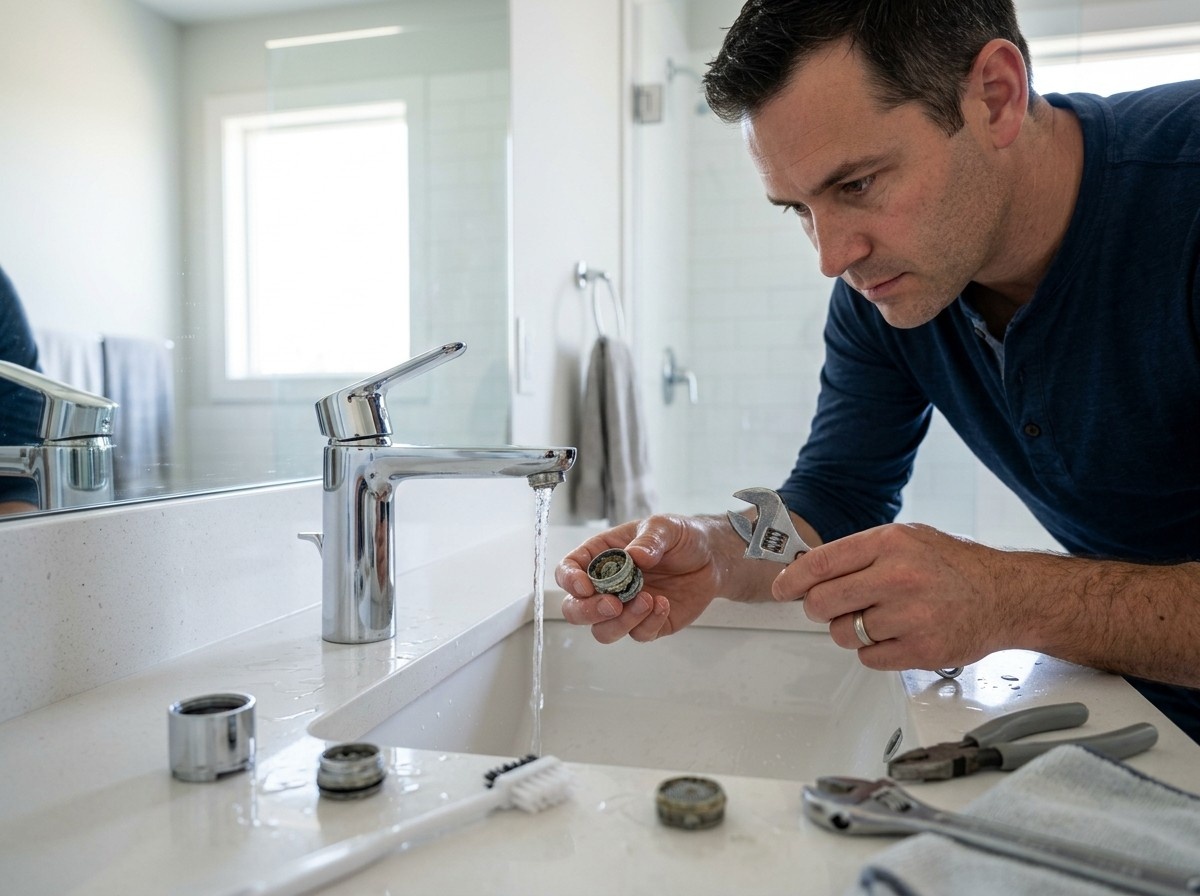
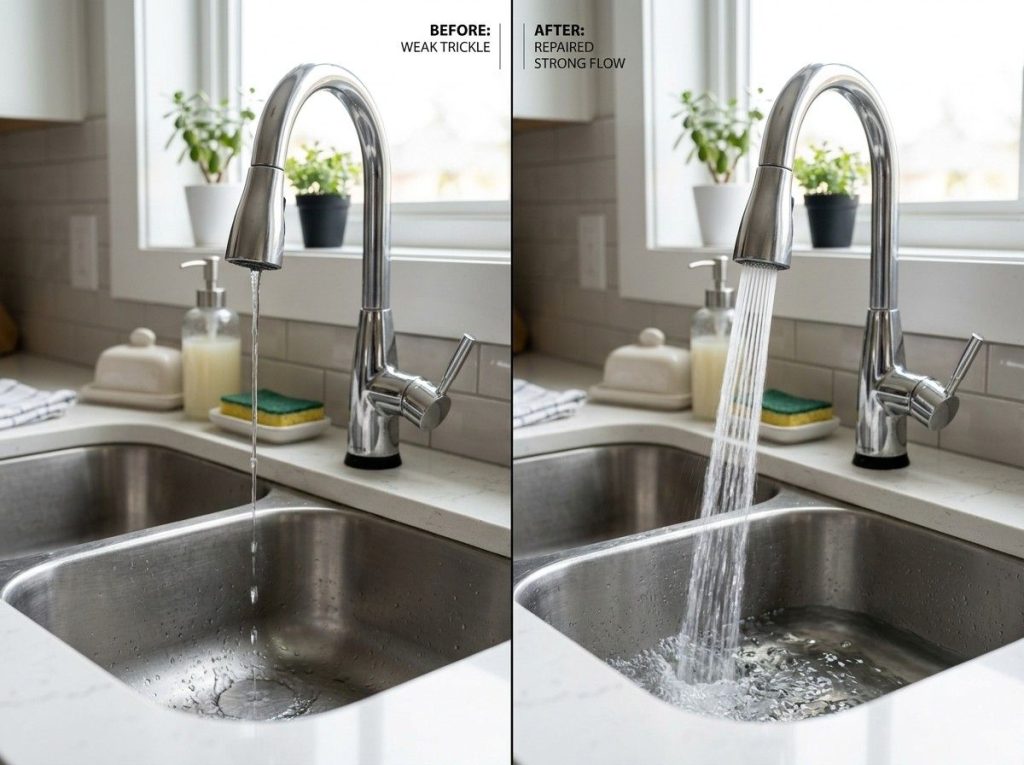
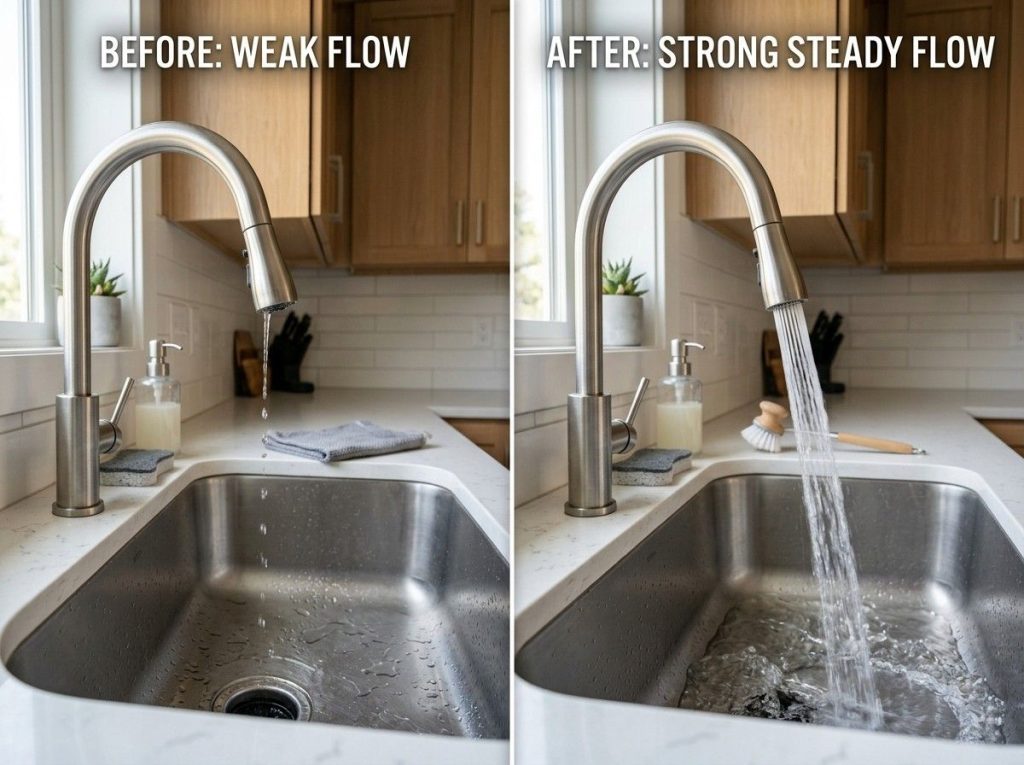
How to Fix Low Water Pressure in Home is a common question homeowners ask when weak water flow starts disrupting daily routines. You turn the knob to rinse off, but only a weak trickle hits your skin. A sudden drop in water pressure can make simple tasks like showering, washing dishes, or doing laundry take much longer than they should.
If you’re wondering how to fix low water pressure in home, the good news is that many causes have simple DIY solutions. By determining whether the problem affects a single fixture or your entire plumbing system, you can identify the cause and restore strong, consistent water flow quickly.
Uncover Hidden Obstructions: Checking for Blocked Pipes
If the pressure is low at only one or two faucets, the problem is likely localized. Mineral buildup and debris are the most common culprits. Over time, calcium, magnesium, and other minerals in your water supply settle in your fixtures.
Inspecting Aerators and Showerheads for Mineral Buildup
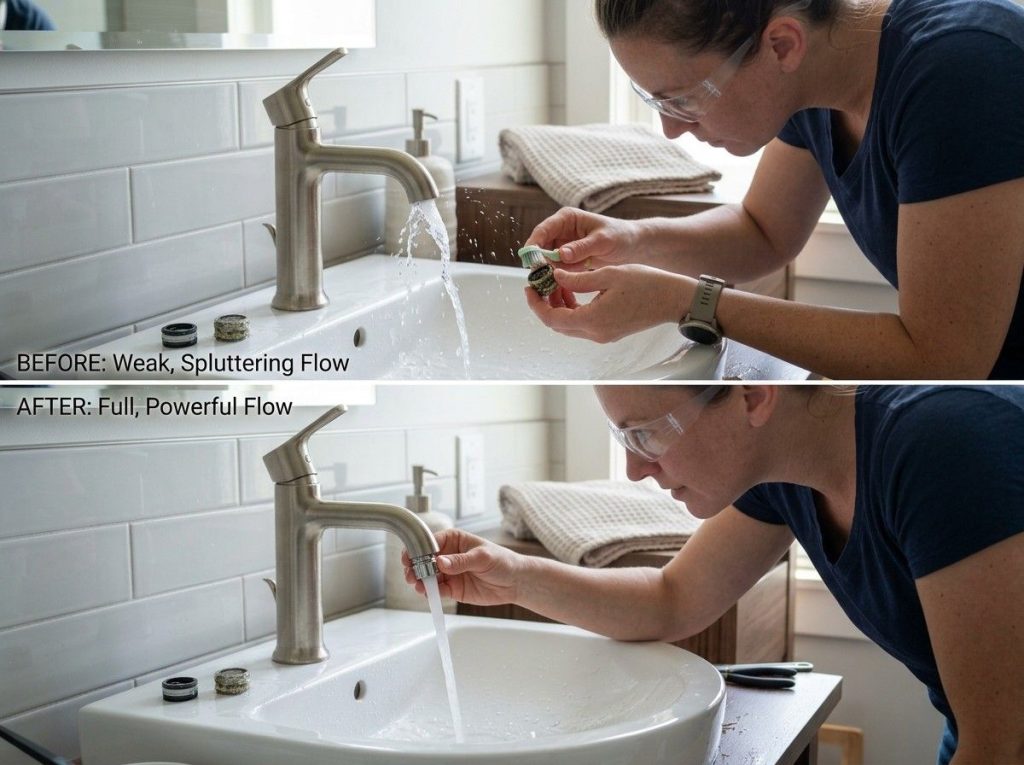
Start by checking your faucet aerators and showerheads. These are the small screens or nozzles where water exits the fixture. Minerals build up here and block water flow, creating a bottleneck.
To fix this, unscrew the aerator from the end of the faucet. If it is a showerhead, unscrew the head from the shower arm. Soak the parts in white vinegar for a few hours. The acidity of the vinegar breaks down the mineral deposits. After soaking, use an old toothbrush to scrub away any remaining debris. Rinse the part with water and screw it back on. You will likely see an immediate improvement in flow.
Identifying Sediment in Faucets and Fixtures
Sometimes, mineral flakes or pipe scale travel through your pipes and get stuck inside the faucet body. If cleaning the aerator does not help, you may need to check the cartridge inside the faucet handle. Turn off the water supply to the sink first. Remove the handle and use a wrench to take out the cartridge. Check for any grit or debris inside the valve opening. Clear it out and reassemble. If the issue persists, the cartridge itself might be faulty and need a replacement.
The Water Supply Source: Examining Your Main Valve and Meter
If every faucet in your house has weak pressure, the issue exists at the main supply point. This affects your entire system, not just a single room.
Ensuring Your Main Water Shut-Off Valve is Fully Open
It sounds simple, but a main water shut-off valve that is not fully open is a common cause of low pressure. If you recently had plumbing work done or did some maintenance yourself, someone might have partially closed the valve and forgot to open it back up.
Locate your main water shut-off valve, usually found near the water meter or where the main pipe enters the home. If it is a ball valve, the handle should be parallel to the pipe. If the handle is perpendicular, it is closed or partially closed. Rotate it until it is perfectly aligned with the pipe to ensure maximum flow.
Understanding the Role of Your Water Meter and Pressure Regulator
The water meter and pressure regulator also control how much water enters your home. Your utility company usually owns the water meter. If the meter valve is only partially open, or if there is a problem with the utility lines, your pressure will be low.
Most homes also have a pressure regulator, a bell-shaped device on the main pipe. This valve prevents high city water pressure from damaging your home’s pipes. If this valve fails, it can restrict water flow or cause pressure to drop drastically. You cannot adjust this yourself easily. If you suspect the regulator is broken, call a licensed plumber to test it and replace it if necessary.
Internal Plumbing Mysteries: Detecting Leaks and Pipe Issues
If your faucets are clean and your main valves are open, you might have a hidden problem within your pipe system. Leaks and aging pipes are significant factors.
Locating Hidden Water Leaks in Walls or Underground
Even a small, hidden leak acts like an open tap that never closes, drawing pressure away from your functional fixtures. Watch for signs of water damage: damp spots on walls, peeling paint, or mold growth.
Check your water meter to confirm a leak. Turn off every faucet and appliance that uses water. Go to your water meter and look at the dial. If the numbers or the small flow indicator are still moving, water is escaping somewhere. If you cannot find the leak, call a professional. They have specialized equipment to listen for leaks behind walls or under concrete slabs.
Assessing the Age and Condition of Your Pipes
The pipes themselves might be the issue. In older homes, galvanized steel pipes were standard. These pipes corrode from the inside out over time, creating rust and mineral buildup that narrows the pipe diameter. This restricts water volume, resulting in low pressure at the tap. If your home has old plumbing and you experience pressure drops when multiple people use water at once, pipe corrosion is a likely cause. Replacing sections of old pipe with copper or PEX is often the only permanent fix.
Pressure and Flow: Analyzing Your Water Heater’s Impact
Do you notice low pressure only when you turn on the hot water? If the cold water pressure is fine, your water heater is the problem.
Checking the Dip Tube for Deterioration
The dip tube is a long plastic pipe inside your water heater. It carries cold water to the bottom of the tank so it can be heated. If the dip tube becomes brittle and breaks, cold water enters the tank and mixes with the hot water near the outlet. This causes the water to cool down quickly and can lead to a drop in pressure. If you suspect a broken dip tube, you will need to drain the tank and replace the tube.
Investigating Sediment Buildup Inside the Water Heater
Sediment also accumulates at the bottom of the water heater tank. Over several years, this layer of sand and grit gets thick enough to block the outlet pipe that sends hot water to your home.
To fix this, flush the water heater. Connect a garden hose to the drain valve at the bottom of the tank and run it to a floor drain or outside. Open the valve and let the water run until it clears of debris. Regular flushing once a year prevents this buildup and extends the life of your unit.
External Influences: Considering Municipal Supply and Well Systems
Sometimes, the cause of low pressure sits entirely outside your property line.
Understanding Municipal Water Supply Fluctuations
Local water utilities sometimes deal with demand spikes, maintenance, or line repairs. If your neighbors are also complaining about weak water flow, the issue is likely with the city supply. Contact your local water department to see if they are aware of any outages or maintenance in your area.
Troubleshooting Common Well Pump and Pressure Tank Issues
For homes on well water, low pressure points to a problem with your mechanical system. Your well pump might be struggling to pull water, or the pressure switch may not be turning the pump on when it should.
Another possibility is a waterlogged pressure tank. This tank keeps a reserve of pressurized water ready for use. If it loses its air charge, the pump runs constantly, or the pressure fluctuates wildly. These components require specialized tools and electrical work. If you have a well, do not attempt to repair the pump or pressure switch unless you have the right training. Contact a well specialist to diagnose the system.
Reclaim Your Home’s Water Flow
Restoring your water pressure starts with identifying where the flow gets restricted. Begin with the easy tasks, like cleaning aerators and checking your main valve. If those do not solve the problem, look for leaks, test your pressure regulator, or check your water heater. Most pressure issues are fixable, but knowing when to call a professional protects your plumbing and your home from further damage.
What causes low water pressure in a home?
Low water pressure can be caused by clogged faucet aerators, partially closed shut-off valves, leaking pipes, sediment buildup, faulty pressure regulators, or issues with the municipal water supply.
How can I fix low water pressure in my home without calling a plumber?
Start by cleaning faucet aerators and showerheads, checking that the main water valve is fully open, inspecting for leaks, and testing multiple fixtures to determine whether the problem is isolated or affects the entire house.
Why is the water pressure low in only one faucet?
If only one faucet has low pressure, the most common causes are a clogged aerator, mineral buildup inside the faucet, or a partially blocked supply line connected to that fixture.
Can a water pressure regulator cause low water pressure?
Yes. A faulty or improperly adjusted water pressure regulator can reduce water flow throughout your home. Replacing or adjusting the regulator can often restore normal pressure.
When should I call a plumber for low water pressure?
Call a plumber if low water pressure affects your entire home, starts suddenly without an obvious cause, is accompanied by leaks or discolored water, or continues after you’ve tried basic troubleshooting steps.
Knowing how to fix low water pressure in home can save you time, money, and unnecessary frustration. By identifying the cause early and applying the right solution, many water pressure problems can be resolved without professional help. With regular plumbing maintenance and a few simple checks, you can enjoy reliable water flow and keep your home’s plumbing system running efficiently.