Your Trusted Source for Home Fixes & Guides

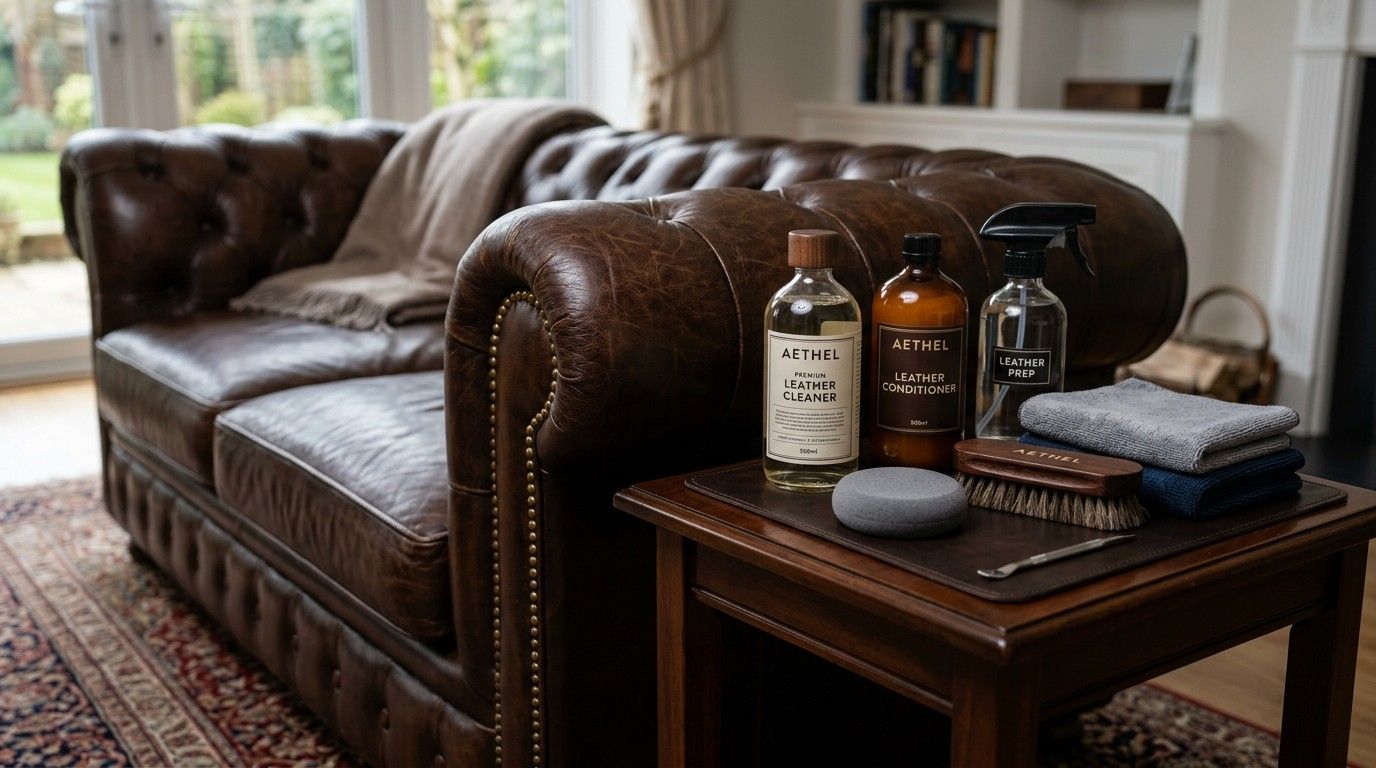
How to Care for Leather Furniture: Expert Tips for Lasting Beauty

Leather furniture brings a sense of luxury and warmth to any home. It’s comfortable, stylish, and—when cared for properly—can last for decades. But leather is different from fabric. It reacts to sunlight, moisture, cleaning products, and even the way you use your furniture.
If you want your leather couch or chair to stay beautiful and comfortable, you need to give it the right kind of attention. As someone who’s worked with all types of home materials over the years, I’ve learned what really matters for leather care—and what mistakes can leave you with cracked, faded, or sticky seats.
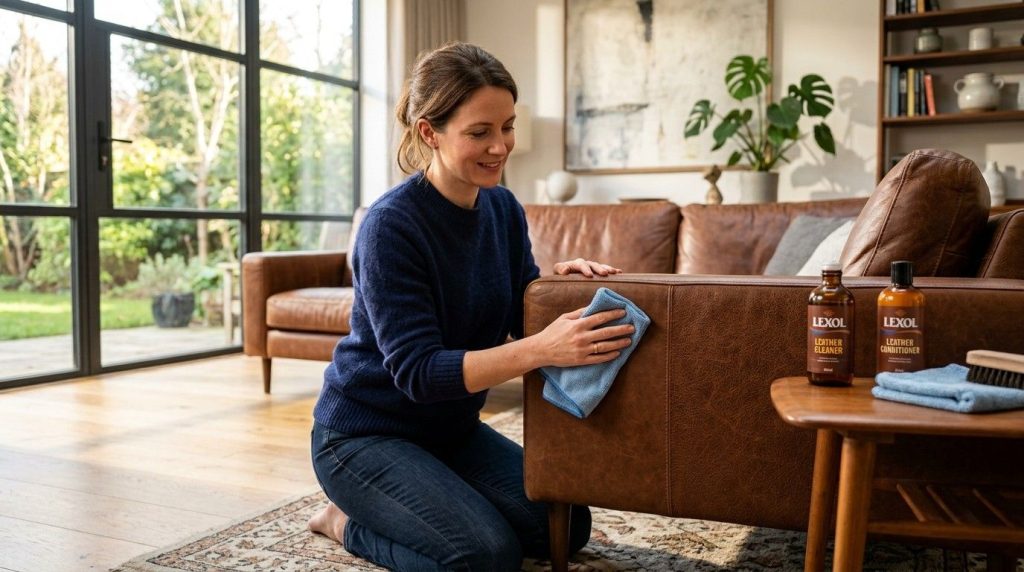
Let’s dig into how to care for leather furniture, from daily habits to deep cleaning. I’ll share what works, what to avoid, and when you should call a professional. Whether you have a classic brown leather sofa or a modern white armchair, these tips will help you protect your investment.
Understanding Leather: Types And Qualities
Before you start cleaning or conditioning, it’s important to know what type of leather you have. Not all leather is the same, and using the wrong method can do more harm than good.
Common Leather Types
- Aniline Leather: Soft, natural, and untreated except for dye. Shows natural marks and is sensitive to stains and sunlight.
- Semi-Aniline Leather: Slightly protected with a light surface coating. More stain resistant than pure aniline but still soft.
- Pigmented Leather: Has a colored coating (pigment) for extra durability. Most common in family furniture; resists stains and fading.
- Bonded Leather: Made from scraps and fibers, glued together and coated. Less expensive, less durable, and can peel over time.
- Faux Leather: Not real leather, but looks similar. Usually made from vinyl or polyurethane.
Why Leather Type Matters
The way you clean and care for your furniture depends on its leather type. For example, aniline leather absorbs spills quickly, while pigmented leather can handle gentle cleaners. Always check the manufacturer’s tag or ask the retailer if you’re unsure.
Case Study: The Expensive Aniline Chair
A friend of mine once bought a gorgeous, buttery-soft aniline leather chair. She loved how it felt but didn’t realize how easily it stained. After a year of kids and pets, the chair had water rings, pen marks, and faded spots.
She tried to scrub out a spill with a wet cloth—making the stain worse. If she’d known her chair needed extra protection (and quick blotting, not rubbing), it could have kept its beauty.
Basic Leather Furniture Care: Daily And Weekly Habits
Regular maintenance is the secret to long-lasting leather. You don’t need harsh chemicals or complicated routines—just a few smart habits.
Dusting And Vacuuming
- Dust weekly using a soft, dry cloth or microfiber towel. This keeps dirt from scratching the surface.
- Use a vacuum with a brush attachment to clean crumbs and dust from seams and crevices. Avoid plastic or metal attachments—they can scratch the leather.
Wiping Up Spills
- Blot spills immediately with a clean, dry cloth. Don’t rub—the liquid can spread or soak in.
- For sticky messes, use a cloth dampened with plain water. Wipe gently, then dry right away.
Protecting From Sun And Heat
- Keep leather furniture out of direct sunlight. UV rays fade and dry out leather.
- Don’t put sofas or chairs near heat vents or radiators. Heat pulls moisture from the leather and causes cracks.
Rotating Cushions
- If your furniture has removable cushions, rotate them every month. This prevents uneven wear and sagging.
Common Mistake
One of the biggest mistakes I see is using baby wipes or household cleaners on leather. These products often have chemicals or alcohol that dry out and damage the surface.
Deep Cleaning Leather Furniture
Even with regular dusting, leather needs deeper cleaning every few months. But you have to be gentle—too much moisture or soap can ruin the finish.
How To Deep Clean Leather
- Test First: Always test any cleaner on a hidden spot. Wait 24 hours to check for discoloration.
- Use the Right Cleaner: For most pigmented or semi-aniline leather, a mild soap (like unscented dish soap) mixed with water works well. For delicate or aniline leather, use a cleaner made for that type.
- Dampen a Cloth: Dip a soft cloth in the soapy water, wring it out well—it should be just damp, not wet.
- Wipe the Surface: Clean one section at a time. Don’t soak the leather.
- Rinse and Dry: Wipe again with a cloth dampened with plain water, then dry with a towel.
Table: Leather Cleaner Comparison
Here’s a quick look at common leather cleaners and their best uses.
| Cleaner Type | Best For | Notes |
|---|---|---|
| Mild Soap & Water | Pigmented Leather | Safe for general cleaning, avoid soaking |
| pH-Balanced Leather Cleaner | Aniline, Semi-Aniline, Pigmented | Protects finish, no harsh chemicals |
| Alcohol-based Cleaner | Stubborn Stains Only | Can dry leather, use sparingly |
| Vinegar Solution | Faux Leather | Not for real leather—can strip oils |
Safety Tip
Never use bleach, ammonia, or any harsh chemicals. These will damage or discolor leather. Always ventilate the room while cleaning.
Conditioning Leather: Why And How Often
Leather is skin. It needs moisture to stay soft and flexible. Over time, the natural oils in leather evaporate. Conditioning replaces those oils and prevents cracks.
When To Condition
- Condition your furniture every 6 to 12 months (more often if your home is dry).
- If the leather looks dry, dull, or feels stiff, it’s time to condition.
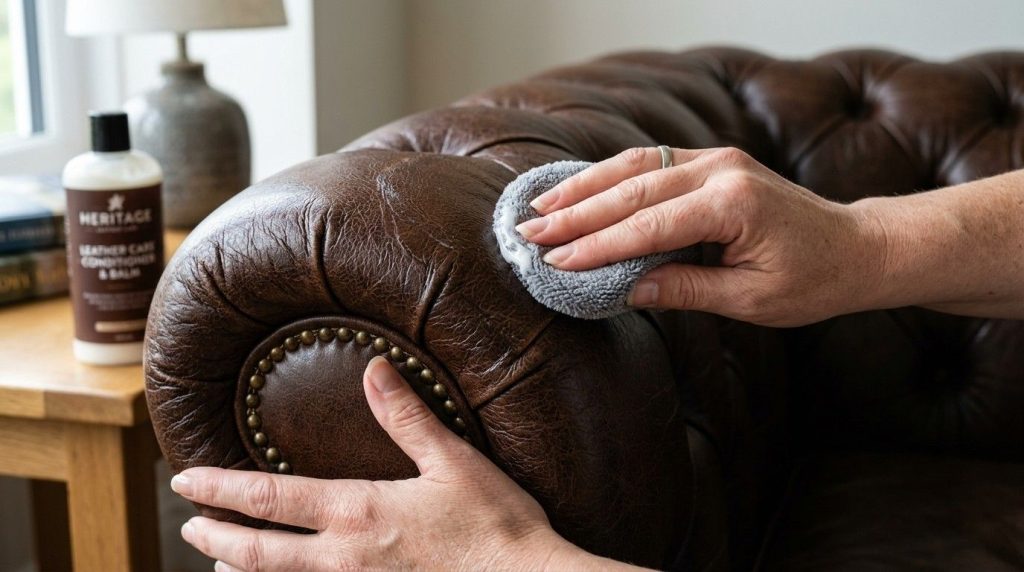
How To Condition Leather
- Choose a Leather Conditioner: Use one designed for your leather type. Avoid products with silicone, wax, or petroleum—they can leave a sticky residue.
- Test a Small Area: Always.
- Apply Sparingly: Put a small amount on a soft cloth, and rub it gently in circular motions.
- Buff the Surface: After 15-30 minutes, wipe off any excess with a clean cloth.
Table: Conditioner Comparison
Compare popular conditioner types below.
| Conditioner Type | Main Benefit | Best For |
|---|---|---|
| Cream/Lotion | Deep moisture, easy to apply | All real leather types |
| Spray | Quick application, even coverage | Large furniture pieces |
| Oil-based | Intense conditioning | Very dry or cracked leather (test first!) |
Common Mistake
Don’t over-condition. Too much conditioner can clog leather pores, attract dust, and leave a greasy feel.
Removing Stains And Dealing With Damage
Accidents happen: ink, wine, pet messes, and scratches. Quick action—and the right method—can make all the difference.
Handling Common Stains
- Ink: Dab (don’t rub) with a cotton swab and a drop of rubbing alcohol. Test a hidden spot first. For big ink stains, call a pro.
- Grease or Oil: Sprinkle baking soda or cornstarch on the spot. Let it sit overnight, then wipe off gently.
- Food & Drink: Blot with a dry cloth, then wipe with a damp (not wet) towel.
- Water Marks: If the spot is new, blot and let it air dry. Don’t use heat.
Fixing Scratches
- For light scratches, gently rub with your finger—natural oils can help them fade.
- Deeper scratches may need a leather repair kit. Match the color carefully and follow the instructions.
When To Call A Professional
- Large or dark stains that won’t come out
- Tears, peeling, or severe cracks
- Color loss over a large area
A professional restorer can fix or dye leather without making things worse. DIY fixes can sometimes spread the damage if you’re not careful.
Protecting Leather Furniture From Pets And Kids
Leather is tough, but claws, toys, and spills can take a toll. Here’s how to keep your furniture looking good in a busy household.
Practical Tips
- Use Throws or Covers on seats when pets are allowed on furniture.
- Trim Pet Nails regularly to prevent scratches.
- Clean Up Spills Fast—don’t let liquids soak in.
- Teach Kids Not to Jump or play rough on the furniture. Pressure and sharp objects cause cracks and tears.
- Keep Toys and Sharp Items Away from leather surfaces.
Real-life Example
A client with three active kids and two dogs bought a medium-brown pigmented leather sofa. By using washable covers and teaching the kids to keep food off the couch, the sofa stayed in great shape for years. They cleaned up spills within minutes and conditioned the leather twice a year.
Their only regret? Not choosing a darker color to hide scuffs better.
The Impact Of Environment: Humidity And Temperature
Leather reacts to its environment. Too much dryness, moisture, or heat can cause problems.
Controlling Humidity
- Ideal humidity: 40–55% for most homes.
- If air is too dry, leather may crack. Use a humidifier in winter if needed.
- If air is too humid, leather can mold or mildew. Use a dehumidifier or air out the room.
Temperature Tips
- Never put leather furniture near radiators, fireplaces, or heat vents.
- Sudden temperature changes can cause the leather to stretch or shrink.
Table: Environmental Effects On Leather
See how different conditions affect leather furniture.
| Condition | Result | Prevention |
|---|---|---|
| Direct Sunlight | Fading, drying, cracking | Place furniture away from windows, use curtains |
| High Humidity | Mold, mildew | Ventilate, use dehumidifier |
| Low Humidity | Cracking, stiffness | Humidifier, condition regularly |
| Heat Sources | Drying, warping | Keep at least 2 feet away |
Leather Furniture And Allergies
Leather is less likely to trap dust, pet dander, and pollen than fabric. That’s good news for allergy sufferers. However, if you let dust build up in seams and cracks, it can still cause problems. Regular cleaning helps keep the air in your home cleaner.
Preventing Common Leather Furniture Mistakes
Even smart homeowners can make errors with leather care. Here are the most common mistakes—and how to avoid them.
- Using harsh cleaners or home remedies (like vinegar or baking soda) on real leather
- Skipping regular conditioning
- Letting spills sit too long
- Placing furniture in direct sunlight or near heat
- Over-conditioning, leading to sticky surfaces
- Ignoring small scratches and letting them get worse
If you’re ever unsure, check the manufacturer’s instructions or ask a professional.
Case Study: From Damaged To Dazzling
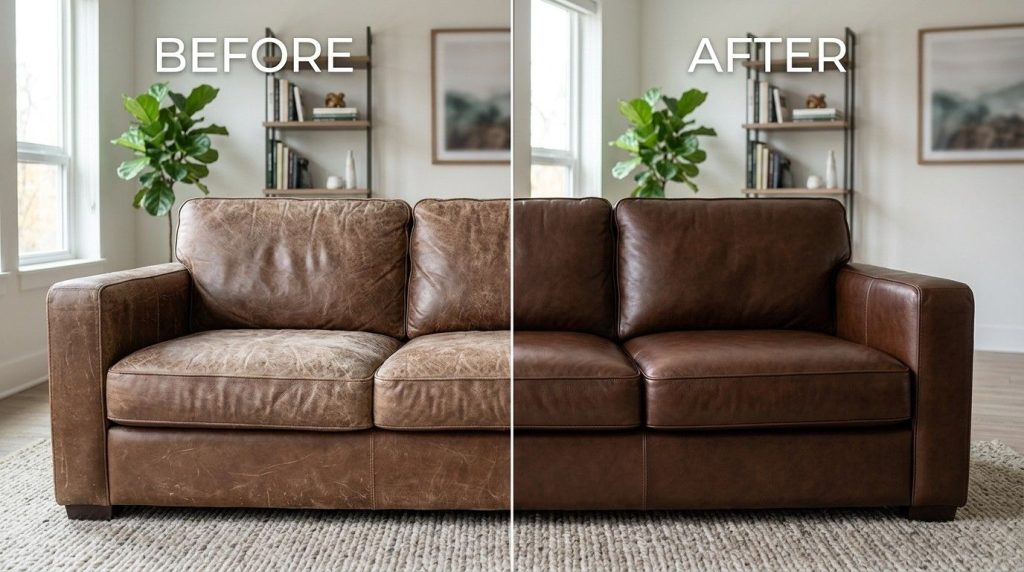
Let me share a quick story. One of my clients inherited a vintage leather Chesterfield sofa that looked beyond hope—cracked, faded, and stained. The family almost tossed it out. Instead, they called a professional restorer. The pro cleaned the sofa gently, repaired tears with color-matched filler, and conditioned the leather over several sessions.
The result? The sofa regained its shine and comfort, becoming the centerpiece of their living room. This proves that with the right care—and sometimes expert help—even old leather can get a second life.
If you want to learn more about the science of leather, the Wikipedia page on Leather offers a deeper dive.
Frequently Asked Questions
How Do I Know What Type Of Leather My Furniture Is?
Check the product tag or ask the manufacturer. Aniline leather feels soft and natural, while pigmented leather feels smoother and more uniform. If you’re unsure, a professional can usually identify it with a quick look.
Can I Use Household Cleaning Sprays On Leather?
No. Most household cleaners are too harsh for leather and can cause drying or discoloration. Use products made specifically for leather or just mild soap and water for regular cleaning.
How Can I Get Rid Of Pet Odors On Leather Furniture?
First, clean up any spills or messes promptly. Then, air out the room and wipe the furniture with a damp (not wet) cloth. For stubborn smells, use a leather-safe deodorizer or call a professional cleaner.
What’s The Best Way To Fix A Large Scratch Or Tear?
Small scratches can sometimes be buffed out with your finger or a leather conditioner. For large scratches or tears, it’s best to call a professional. DIY kits can help with minor damage, but big repairs need expert tools and color-matching.
Is Leather Furniture Good For Homes With Kids And Pets?
Yes—if you choose pigmented leather and use covers or throws for extra protection. Leather is strong, easy to wipe clean, and resists odors. Just avoid very light colors if you’re worried about stains or scuffs.
Caring for leather furniture doesn’t have to be complicated. With regular cleaning, smart habits, and a little conditioner, your leather sofa or chair can stay beautiful for years to come. And remember, when in doubt, it’s always safer to ask a professional than risk damage.
Leather is an investment—treat it well, and it will reward you with comfort and style that lasts.