Your Trusted Source for Home Fixes & Guides

Should You Paint the Walls Before Staining Stairs?

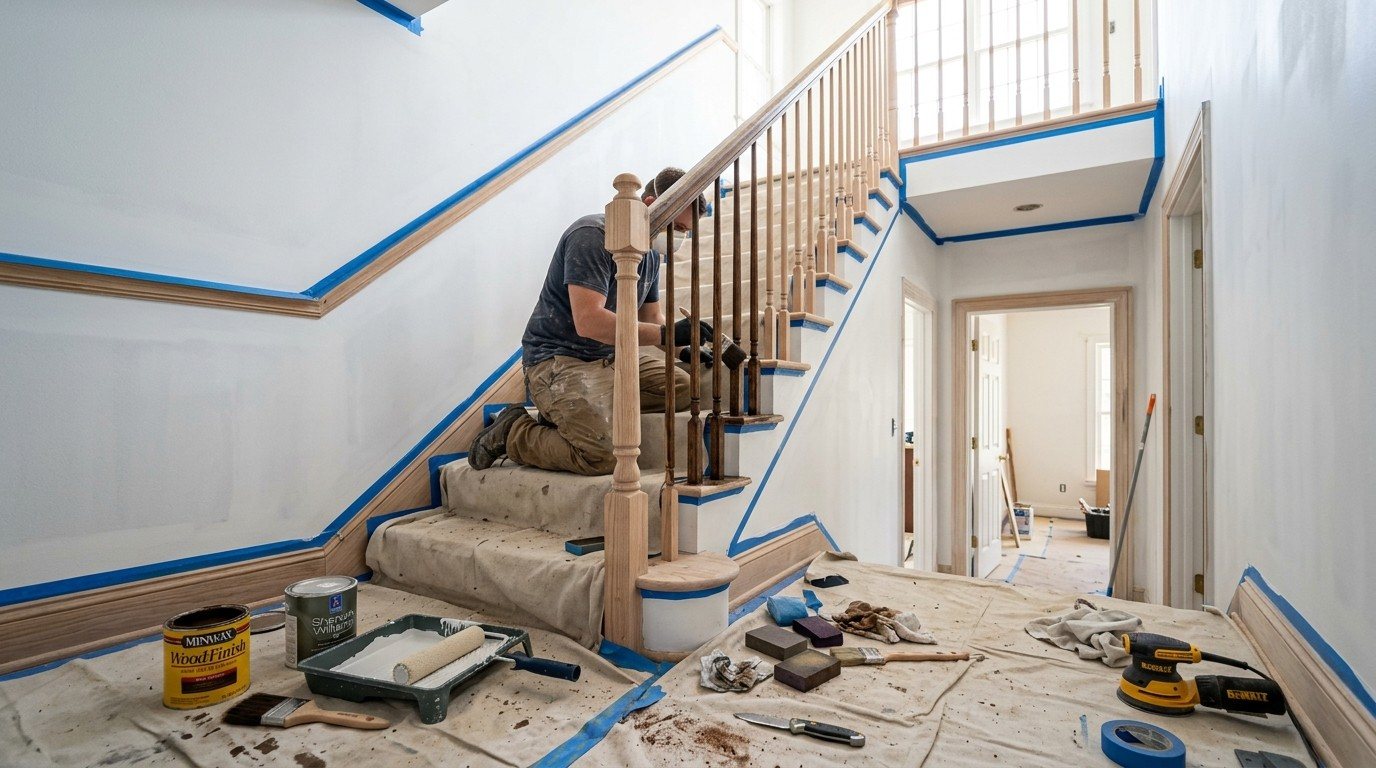
Deciding whether to paint the walls or stain the stairs first is a common dilemma in home renovations. You might wonder, Should You Paint the Walls Before Staining Stairs, but the order can actually affect your project’s finish, timeline, and overall satisfaction. Choosing the right sequence can help you avoid drips, splatters, and unnecessary touch-ups. This article compares both approaches, shares practical advice, and explains the best order for getting a clean, professional-looking result.
Understanding The Basics: Painting Vs. Staining
Both painting walls and staining stairs are major upgrades. They change the look and feel of your space, but the tasks are different.
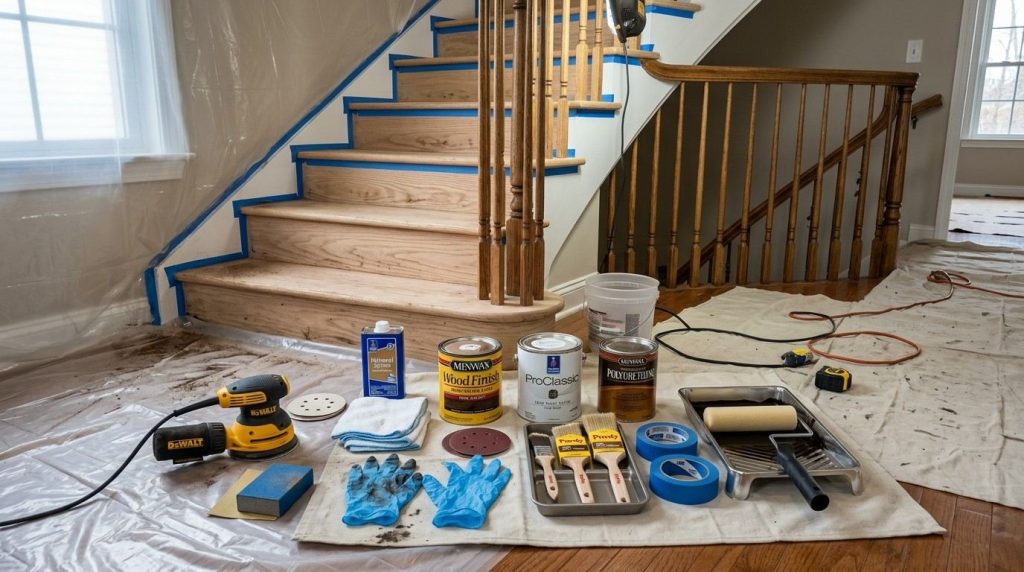
Painting walls involves prepping surfaces, priming, and applying coats of paint. It can be messy—paint droplets, splatters, and dust are common. Most paints need time to cure, and you often need to tape off baseboards, trim, and sometimes stairs.
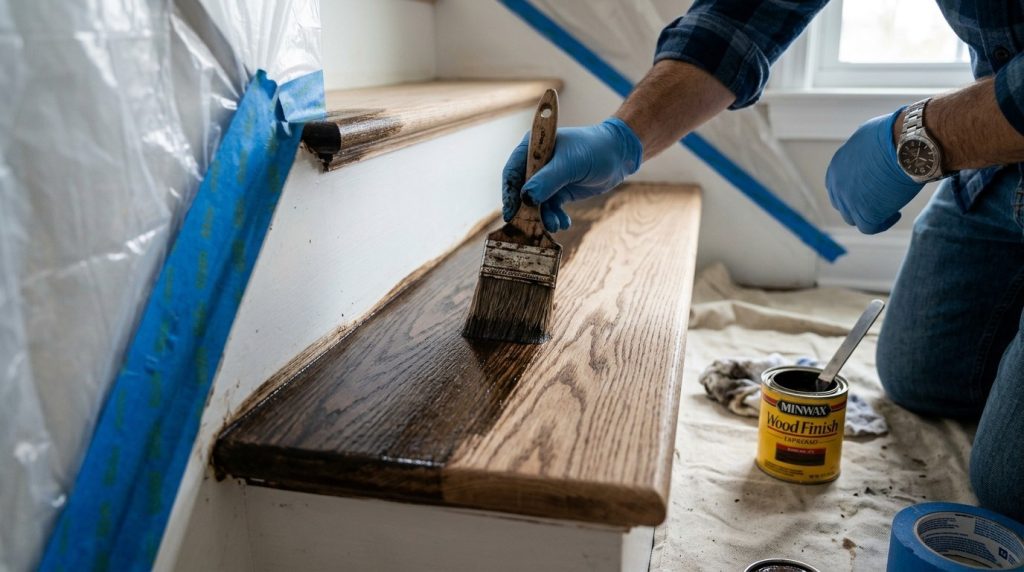
Staining stairs is more delicate. Wood stains soak into the surface, so dust and debris can ruin the finish. You need to sand carefully, apply stain evenly, and follow up with protective sealers. Staining often releases strong fumes, and walking on the stairs before the finish dries can damage them.
Why Order Matters
The order you choose can impact:
- Surface protection: Avoiding accidental drips or splatters.
- Efficiency: Reducing the need for extra masking or cleaning.
- Finish quality: Preventing dust or paint from marring stain or vice versa.
Let’s dive deeper into how each step affects the other.
Painting Walls First: The Upsides And Downsides
Many professionals recommend painting the walls before staining the stairs. Here’s why.
Advantages
- Less Risk of Paint Splatter on Fresh Stain
- Wet paint can drip onto stairs. If stairs are already stained, removing paint from wood without damaging the finish is tricky.
- Cleaner Work Environment
- Painting creates dust and splatter. Doing this first means the stairs won’t be exposed to paint particles.
- Easier Masking
- Masking stairs before painting is easier than masking wood stain from paint.
Disadvantages
- Risk of Scratches or Scuffs
- If stairs are unfinished, dust and boots from painting can scratch bare wood.
- Stain Overlap
- If you stain after painting, stain might accidentally touch the wall edges, requiring touch-ups.
Practical Tips
- Cover stairs with heavy-duty drop cloths before painting.
- Use painter’s tape along stair edges.
- Clean up paint dust thoroughly before staining.
Real-life Example
A family in Chicago painted their hallway walls before staining their oak stairs. They masked the stairs with plastic and tape, but overlooked the dust left behind. When they stained, some dust settled into the wet stain, creating rough patches.
They had to sand and re-stain several steps, costing extra days and money.
Staining Stairs First: Pros And Cons
Some DIYers prefer to stain stairs before painting walls. This approach is less common, but it has benefits.
Advantages
- Perfect Edges
- Stain first, then paint. You can touch up wall edges if stain gets on them.
- Less Risk of Paint Overlap
- Any paint that gets on the wood can be wiped off before staining.
Disadvantages
- Paint Splatter Can Damage Stain
- Paint droplets are hard to remove from stained wood, especially if the stain is fresh.
- Masking Is More Difficult
- Masking stained stairs requires extra care to prevent tape from sticking to the finish.
Practical Tips
- Let stain dry fully before painting—usually 24–48 hours.
- Use low-tack painter’s tape to avoid damaging the finish.
- Keep traffic off stairs until the finish is fully cured.
Case Study: Diy Mistake
A homeowner in Texas stained their stairs first, then painted the walls. They underestimated the amount of paint splatter. Several steps ended up with white dots, and attempts to clean them ruined the stain. They had to sand and redo the stairs, costing them both time and frustration.
Project Sequencing: Which Comes First?
To help visualize the differences, here’s a comparison:
| Order | Main Benefits | Common Challenges | Best For |
|---|---|---|---|
| Paint Walls First | Easy cleanup, less risk of paint on stain | Need to protect unfinished stairs | Most homeowners, pros |
| Stain Stairs First | Sharp edges, touch up walls after | Paint splatter on stain, tough masking | Experienced DIYers |
In most cases, painting walls first is safer and more efficient. But if you’re confident and careful with masking, staining stairs first can work.
Step-by-step: Painting Walls Before Staining Stairs
If you decide to paint walls first, follow these steps to minimize mistakes:
- Prep the Area
- Remove furniture, rugs, and artwork.
- Vacuum and dust walls and stairs.
- Mask stairs with plastic or thick drop cloths.
- Paint the Walls
- Start with primer if needed.
- Use rollers for large surfaces, brushes for edges.
- Let paint dry completely (8–24 hours depending on paint type).
- Clean Up Thoroughly
- Remove drop cloths carefully.
- Vacuum dust and paint flakes from stairs.
- Stain the Stairs
- Sand stairs gently to remove scratches.
- Wipe down with tack cloth.
- Apply stain evenly.
- Finish with clear coat or polyurethane.
Safety Precautions
- Use respirators for paint and stain fumes.
- Ventilate the area well.
- Wear gloves and eye protection.
Common Mistakes To Avoid
- Not masking stairs well enough. Paint can seep through thin cloths.
- Painting when humidity is high—paint dries slower and attracts dust.
- Staining over dirty stairs—dust ruins the finish.
Step-by-step: Staining Stairs Before Painting Walls
If you prefer to stain first, here’s how to do it right:
- Prep the Stairs
- Sand and clean wood.
- Mask wall edges with painter’s tape.
- Stain and Seal
- Apply stain and let dry fully.
- Add protective sealant.
- Paint the Walls
- Use low-tack tape to mask stairs.
- Paint carefully—use brush for edges.
- Clean up any paint splatter quickly.
Safety Precautions
- Keep children and pets off stairs until fully dry.
- Check for slick surfaces before walking.
Common Mistakes
- Using high-tack tape that damages stain.
- Not waiting long enough for stain to cure.
Special Considerations For Bathrooms And High-traffic Areas
Bathrooms and entryways often see more moisture and foot traffic. Here’s what to watch for:
- Humidity: Paint dries slower in bathrooms. Stain can also take longer to cure.
- Waterproofing: Use water-resistant paints and sealers.
- Slip Risk: Some stains make stairs slippery. Choose anti-slip additives for safety.
When To Call A Professional
Some jobs are best left to the pros. Hire a licensed painter or wood finisher if:
- Your stairs have intricate woodwork or historic value.
- You’re using specialty stains or paints.
- You notice mold, rot, or water damage.
A professional has the right tools and experience to protect your investment.
Real-world Data: Homeowner Preferences
A survey by the National Association of Home Builders found:
- 70% of professionals recommend painting walls before staining stairs.
- 20% of DIYers stain first, usually for aesthetic reasons.
- 10% mix steps, often causing extra touch-ups.
Homeowners who painted first reported fewer issues with paint on wood. Those who stained first often needed touch-ups or repairs.
Expert Advice For Best Results
From my years on the job, here are two non-obvious insights:
- Stair Material Matters
- Oak and maple stairs handle masking better. Softer woods (like pine) can dent or scratch during painting, so extra protection is needed.
- Lighting Effects
- Paint color affects how stain looks. If you paint walls a lighter color, the contrast can highlight imperfections in the stairs. Plan your colors with this in mind.
Budget And Timing: Project Planning
Let’s break down typical costs and timelines for both methods:
| Step | Average Cost | Time Needed | DIY Difficulty |
|---|---|---|---|
| Painting Walls | $200–$600 | 1–2 days | Easy–Moderate |
| Staining Stairs | $150–$500 | 2–4 days (including drying) | Moderate–Hard |
If you’re hiring a pro, expect to pay more ($1,000–$3,000 for both tasks, depending on area size and materials). DIY saves money, but requires patience and careful planning.
Case Study: Successful Sequencing
Let’s look at a real example. In a Seattle bungalow, the owners painted their stairwell walls first, using high-quality masking tape and drop cloths. After the paint dried, they vacuumed and wiped the stairs, then stained them using a gel stain for even coverage.
They avoided all overlap, and their stairs looked sharp against the new wall color. Their main tip? Clean thoroughly between steps, and don’t rush drying times.
Environmental And Health Considerations
Both paint and stain release VOCs (volatile organic compounds). Here’s how to minimize health risks:
- Choose low-VOC paints and stains when possible.
- Open windows and use fans to ventilate.
- Keep pets and kids away until everything is dry.
For more information on safe products, visit the EPA Safer Choice program.
Common Mistakes And How To Prevent Them
- Skipping Prep
- Dust, dirt, and old finish can ruin paint and stain. Always prep thoroughly.
- Rushing Dry Times
- Walking on wet stairs or painting over tacky walls leads to uneven finishes.
- Using the Wrong Tape
- High-adhesion tape can strip stain or paint. Pick painter’s tape made for delicate surfaces.
- Ignoring Lighting
- Poor lighting hides mistakes. Use bright work lights to check your progress.
- Neglecting Safety
- Don’t ignore fumes or trip hazards. Always ventilate and keep the area clear.
Color And Finish Choices: Impact On Sequencing
If you’re choosing bold wall colors or dark stains, sequencing matters even more. Dark stains can highlight paint drips, and bold paints show every edge. Plan your palette with overlap in mind.
Tips For Flawless Results
- Use quality materials—cheap paint or stain shows flaws.
- Test stain on a hidden step before applying everywhere.
- Allow extra drying time in humid climates.
- Clean up tools and spills immediately.
- Keep a damp rag handy for quick touch-ups.
Frequently Asked Questions
Should I Use Painter’s Tape On Stained Stairs?
It’s best to use low-tack painter’s tape designed for delicate surfaces. Regular tape can pull up the finish. Always remove tape slowly and at an angle.
How Long Should I Wait Between Painting Walls And Staining Stairs?
Wait at least 24 hours after painting before staining. Paint needs time to dry and cure, and you want to clean up all dust first.
Can I Walk On Stairs While The Stain Dries?
Avoid walking on stairs for at least 24–48 hours after staining. If you must, use clean socks and step lightly. Heavy traffic can ruin the finish.
What If I Get Paint On Stained Stairs?
If paint splatters on stained wood, wipe it up immediately with a damp cloth. If it dries, gently sand the spot and reapply stain. Avoid harsh chemicals, which can damage the finish.
Should I Hire A Professional For Either Step?
If your stairs are historic, intricate, or damaged, call a pro. For basic jobs, careful DIY is fine. If you’re unsure, get a quote—pros have tools and experience to avoid costly mistakes.
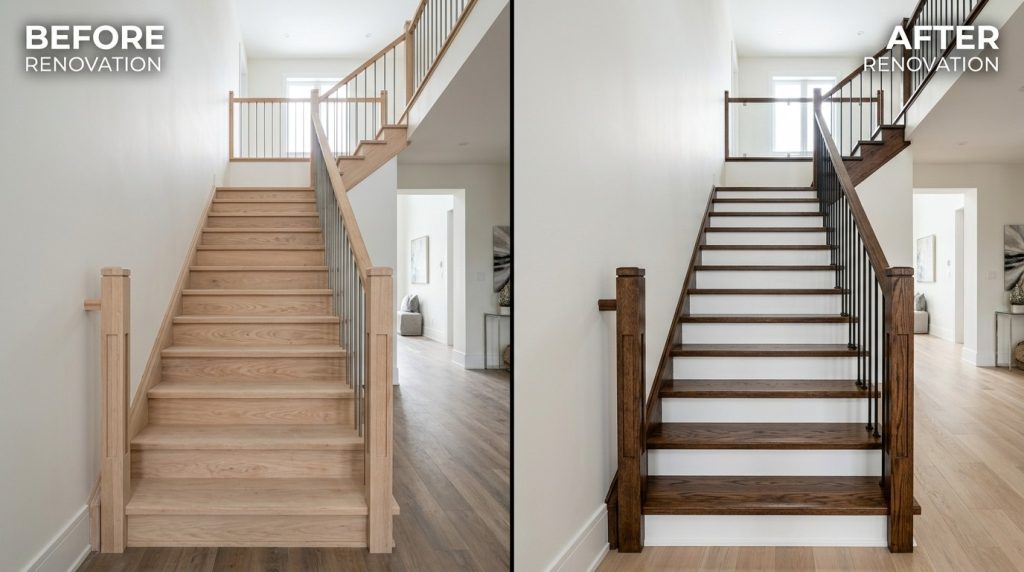
Renovating your home brings excitement and challenges. Sequencing your project—whether to paint walls before staining stairs—can make or break the final look. Most experts and homeowners find that painting first is safer, cleaner, and easier. But every home is different.
Take your time, prep thoroughly, and don’t rush between steps. With careful planning and attention to detail, your walls and stairs will shine for years to come.
If you’re still unsure, talk to a local contractor or visit trusted resources like the EPA Safer Choice for guidance on safe products and best practices. Your home deserves the best—so do you.