Your Trusted Source for Home Fixes & Guides

How do we keep our environment clean

How do we keep our environment clean? We do it by changing a few everyday habits: reduce disposable products, reuse useful items, sort recyclable materials, conserve water and energy, manage waste safely and protect local wildlife. The most effective approach is not one dramatic action. Instead, it is a practical routine that prevents waste before it is created and keeps shared spaces healthier.
- Choose reusable products instead of single-use items.
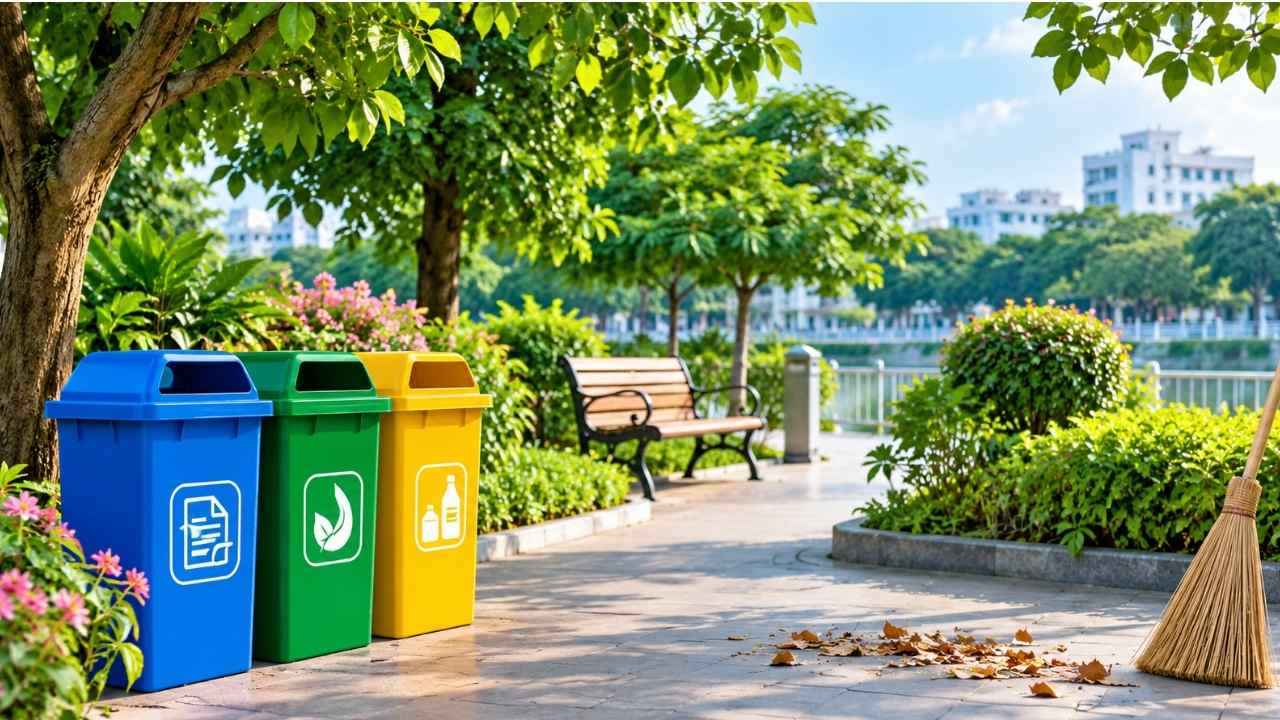
- Sort paper, glass, metal and hard plastics correctly.
- Save water and electricity through small daily habits.
- Compost food scraps and dispose of other waste responsibly.
- Support native plants and join local cleanup activities.
How do we keep our environment clean in a budget-conscious way? Start with habits that cost little or nothing. For example, turning off lights, carrying a refillable bottle, avoiding litter and repairing leaks can reduce household waste and resource use without requiring expensive equipment.
How Do We Keep Our Environment Clean?
We keep the environment clean by preventing unnecessary waste, reusing materials, recycling accepted items and handling rubbish responsibly. In addition, clean surroundings depend on lower energy use, careful water consumption, safer household products and protection of plants and wildlife. Therefore, the strongest results come from combining these actions rather than relying on recycling alone.
A useful starting point is to examine what enters your home each week. For instance, if a household buys several disposable drink containers or heavily packaged products, replacing even a few of those purchases with refillable or package-free alternatives can reduce the amount of rubbish produced. As a result, this prevention step is often more effective than dealing with waste after it has been created.
Why Do the 3 Rs Matter?
The 3 Rs reduce pressure on natural resources in a clear order: reduce what you buy, reuse what still works and recycle suitable materials. This order matters because avoiding waste generally requires fewer resources than processing waste later. Consequently, a simple household audit can show which of the three actions will make the biggest difference.
Reduce unnecessary purchases
Reducing waste begins before a product reaches your home. Therefore, choose package-free goods or bulk items when practical. Refuse unnecessary plastic bags, straws and disposable cutlery. For example, carrying one reusable shopping bag can replace many single-use bags over time without adding a complicated task to your routine.
Reuse items for longer
Reusable shopping bags, water bottles and coffee cups can replace disposable alternatives. Moreover, reuse also includes giving clothing, books and household items a second owner. Donating useful goods keeps them in circulation and prevents items from entering a landfill when they still have practical value.
Recycle accepted materials
Recycling works best when materials are separated correctly. Place paper, glass, metal and hard plastics into designated recycling bins when local services accept them. However, rules vary by location, so check your local collection guidance before placing an item in a recycling container. Otherwise, contaminated or unsuitable materials can reduce the value of a collected load.
| Action | Best use | Common limitation |
|---|---|---|
| Reduce | Preventing waste before purchase | May require different shopping habits |
| Reuse | Keeping durable items in service | Items need cleaning and storage |
| Recycle | Recovering accepted materials | Local rules and collection options differ |
For reliable recycling guidance, compare your local instructions with information from the United States Environmental Protection Agency recycling resources. Nevertheless, the exact list of accepted materials should always come from the service that collects your waste.
How Can We Save Water and Energy?
We save water and energy by stopping unnecessary use at the source. For example, turn off lights and electronics when leaving a room, unplug devices that do not need standby power and close the faucet while brushing your teeth. Additionally, shorter showers and prompt leak repairs can reduce daily water loss.
Small actions become easier when linked to an existing routine. Turn off the light as you leave, check the faucet after washing and unplug a charger once a device is fully charged. However, a dripping pipe should not be ignored. Even a minor leak can waste water over time and may cause damage if it continues.
Choose lower-emission travel
Transportation affects air quality because vehicles release emissions during travel. When conditions are safe, walk or ride a bicycle for short journeys. For longer trips, carpooling and public transit can reduce the number of separate vehicle journeys. As a result, these choices also help households limit fuel use and transport costs.
A practical decision rule is simple: walk when the destination is nearby, share a ride when routes overlap and use public transit when it is available and suitable. Not every journey allows these options. Even so, replacing occasional short car trips can support cleaner air without demanding a complete lifestyle change.
What Is the Safest Way to Manage Waste?
Responsible waste management means separating useful materials, composting suitable organic waste, securing rubbish and preventing litter. For instance, vegetable peels, fruit waste and yard trimmings can become nutrient-rich compost instead of going to a landfill. Meanwhile, other waste should be placed in sealed bins so wind, rain and animals cannot spread it.
Build a simple compost routine
Food scraps and yard trimmings are suitable starting materials for many home compost systems. To keep the process manageable, collect vegetable peels, fruit waste and small amounts of garden material in a dedicated container. Compost needs a suitable balance of materials and proper care, so follow local guidance for accepted inputs.
Prevent litter in shared places
Never leave rubbish in parks, beaches or streets. Instead, use a sealed bin when one is available. If you notice a small amount of litter in a safe public area, picking it up and placing it in the correct bin can improve the space immediately. However, do not handle sharp or unknown materials directly.
Choose safer household products
Natural household alternatives can reduce reliance on harsh chemical cleaners when they are appropriate for the task. You can also choose green products approved by the relevant environmental authority. Above all, read product labels carefully, follow directions and never mix cleaning products unless the label specifically permits it.
Budget-conscious households do not need to replace every product at once. Instead, use up existing supplies safely, then compare lower-impact alternatives during the next purchase. This approach avoids unnecessary spending and prevents usable products from being discarded simply because a different option has become available.
How Do Native Plants Help Nature?
Native trees and flowers support cleaner air, healthier soil and local biodiversity. Because native plants are adapted to regional conditions, they can provide familiar food and shelter for local insects, birds and other wildlife. Even a small garden bed or container can contribute to habitat when the plants suit the surrounding area.
Choose native species recommended by local horticultural or conservation services. Before planting, consider sunlight, soil moisture and available space. A plant that suits a dry, sunny location may struggle in shade or heavy soil. Therefore, planning first reduces wasted money and improves the chance that the garden will remain healthy.
Gardening can also reduce waste when leaves and plant trimmings are managed responsibly. Some material can be composted if local guidance allows it. However, avoid introducing invasive species or releasing garden plants into natural areas. The right choice depends on regional ecology, not only on how attractive a plant looks.
Which Daily Habits Make the Biggest Difference?
The best habits are specific enough to repeat and simple enough to maintain. How do we keep our environment clean when time and money are limited? First, we focus on actions that prevent waste and conserve resources without requiring major purchases. Consequently, a short checklist can turn good intentions into a dependable routine.
- Carry a reusable shopping bag and refillable water bottle.
- Say no to disposable straws and cutlery when they are unnecessary.
- Sort paper, glass, metal and accepted hard plastics before disposal.
- Turn off lights and unplug devices when they are not needed.
- Close the faucet while brushing and report or repair leaks promptly.
- Plan walking, cycling, carpooling or public transit for suitable trips.
- Collect compostable food scraps separately from general rubbish.
- Keep household waste in sealed bins and never litter outdoors.
- Choose native plants for gardens, balconies or shared green spaces.
- Join a local cleanup when the activity is properly organised and safe.
A realistic low-cost example
Consider a household with limited storage and a tight monthly budget. It can begin with a reusable bag, a refillable bottle and a waste-sorting container made from an existing box. No major purchase is necessary. After that, the household can add composting and lower-emission travel as suitable options become available.
The most useful measure is consistency rather than perfection. A household that sorts waste correctly most weeks, prevents disposable purchases and fixes water leaks is making a meaningful contribution. If one habit fails during a busy period, restarting the routine is more helpful than abandoning it.
Common Mistakes to Avoid
Many environmental efforts fail because the action is too vague or applied in the wrong order. For example, recycling a large amount of waste does not solve the problem of buying unnecessary disposable products. Likewise, planting without checking local conditions can create maintenance problems or harm nearby ecosystems.
- Wish-cycling: Do not place an item in a recycling bin simply because you hope it is accepted. Instead, check local rules first.
- Ignoring contamination: Food residue or mixed materials can make otherwise useful recyclables difficult to process.
- Buying too many reusable products: Reusables help when they are actually used for a long time.
- Leaving waste beside a full bin: Use another sealed bin rather than creating litter around the first one.
- Using natural products carelessly: Natural does not automatically mean harmless. Therefore, read labels and follow safety instructions.
- Choosing plants without local advice: Select species suited to the region and avoid invasive plants.
One common mistake is treating environmental care as a one-time cleanup. Although a clean park can become littered again if waste disposal remains poor, the lasting solution combines cleanup with prevention, better purchasing decisions and reliable local waste services.
How Can Communities Protect Shared Spaces?
Community cleanups can remove rubbish from parks, beaches and waterways while building shared responsibility. Therefore, choose an organised event with clear safety instructions, suitable equipment and proper waste collection. Participants should avoid handling sharp objects, unknown substances or hazardous materials and should report them to the responsible authority.
Cleanup work is most effective when the collected waste is sorted afterward. Paper, glass, metal and hard plastics should go into the appropriate recycling stream only when local services accept them. Otherwise, remaining rubbish belongs in sealed waste containers. This final sorting step prevents a cleanup from becoming a temporary transfer of mixed waste.
Community action can also include planting native trees and flowers, sharing local disposal information and reporting illegal dumping through the correct municipal channel. These activities address both the visible problem and its cause. How do we keep our environment clean at a larger scale? In practice, we make responsible choices easier for more people to follow.
Frequently Asked Questions
How do we keep our environment clean at home?
Reduce disposable purchases, reuse durable items, sort accepted recyclables, compost suitable food scraps and keep other waste in sealed bins. In addition, save water and energy through daily routines.
What are the 3 Rs of environmental care?
The 3 Rs are reduce, reuse and recycle. Reduce prevents waste, reuse keeps products in service and recycling recovers suitable materials for further processing.
Can recycling alone keep the environment clean?
Recycling helps, but it is only one part of the solution. Instead, preventing unnecessary purchases and reusing items usually addresses waste earlier than recycling does.
How can I save water without spending money?
Turn off the faucet while brushing, take shorter showers and fix leaks promptly. As a result, these habits reduce water use without requiring new equipment.
What should I compost?
Vegetable peels, fruit waste and suitable yard trimmings are common compost materials. However, local composting guidance should determine which items are accepted in your system.
Are natural cleaners always safer?
Not automatically. Natural alternatives may be suitable for some tasks, but every product should be used according to its label and never mixed improperly.
Why should I plant native flowers?
Native flowers can provide food and shelter for local wildlife while supporting biodiversity. Therefore, select species suited to your region, soil and available sunlight.
What should I do when I see litter?
If the area is safe and the item is ordinary rubbish, place it in a suitable sealed bin. Otherwise, avoid touching sharp or unknown materials and report them instead.
Small Choices, Cleaner Surroundings
How do we keep our environment clean over the long term? We prevent waste where possible, use resources carefully and treat public spaces as shared responsibilities. Begin with one repeatable habit, such as carrying a reusable bottle or sorting household materials, then add another action when the first becomes routine.
Local recycling rules, composting requirements and cleanup procedures can change. Therefore, check your municipal waste service or environmental authority before disposing of unfamiliar materials. A practical routine, accurate local information and steady participation can protect resources, wildlife and the places people use every day.
Information review note: Recycling acceptance lists, composting rules and green-product guidance may change by location. Consequently, verify those details with the relevant local authority before acting.