Your Trusted Source for Home Fixes & Guides

How Can I Remove Hard Water Stains from Glass: Proven Method

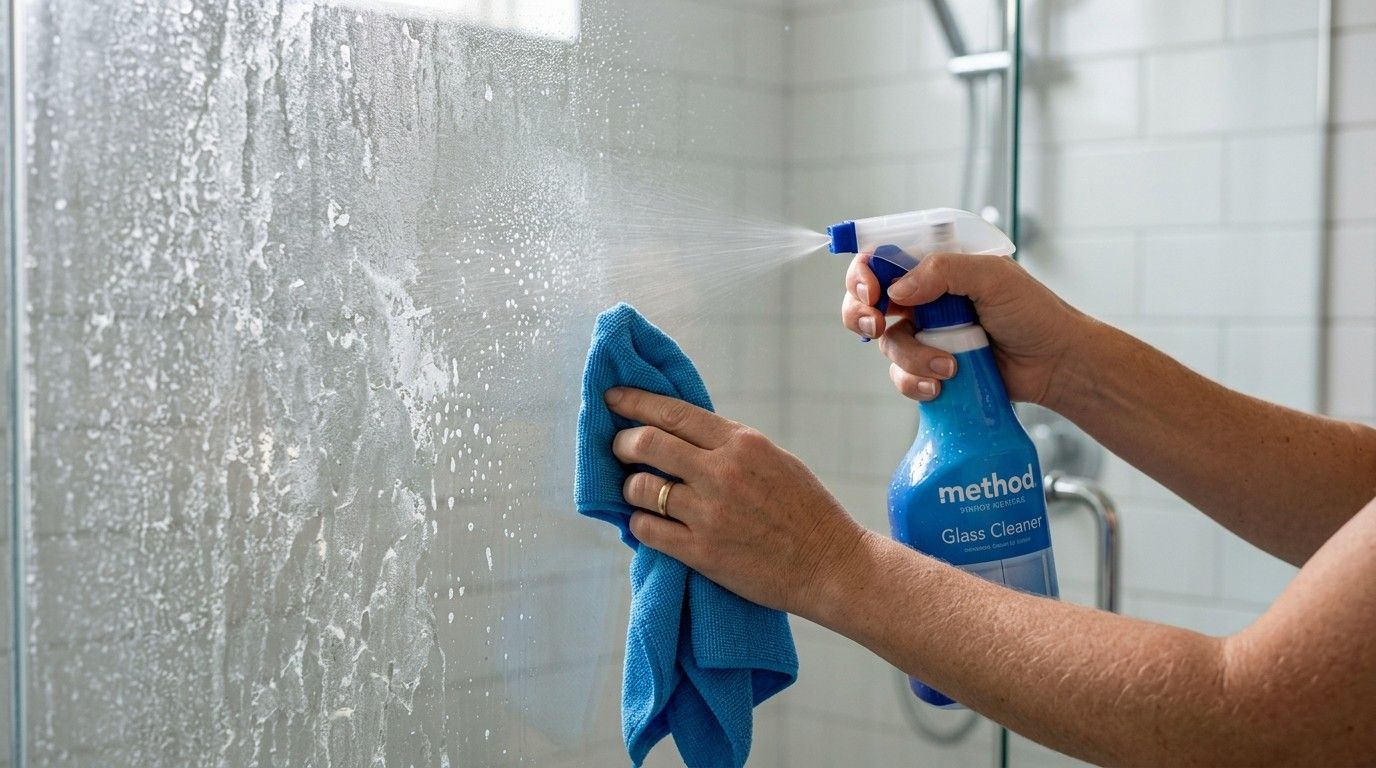
How Can I Remove Hard Water Stains from Glass is a common question for homeowners dealing with cloudy, stubborn mineral deposits. Removing hard water stains from glass can be frustrating, especially when they appear on shower doors, windows, glassware, and faucets. If you’re wondering how can I remove hard water stains from glass, the good news is that the right cleaning methods and products can restore a clear, streak-free finish.
This guide explains effective DIY solutions, proven stain removal techniques, and simple prevention tips to keep your glass looking spotless.
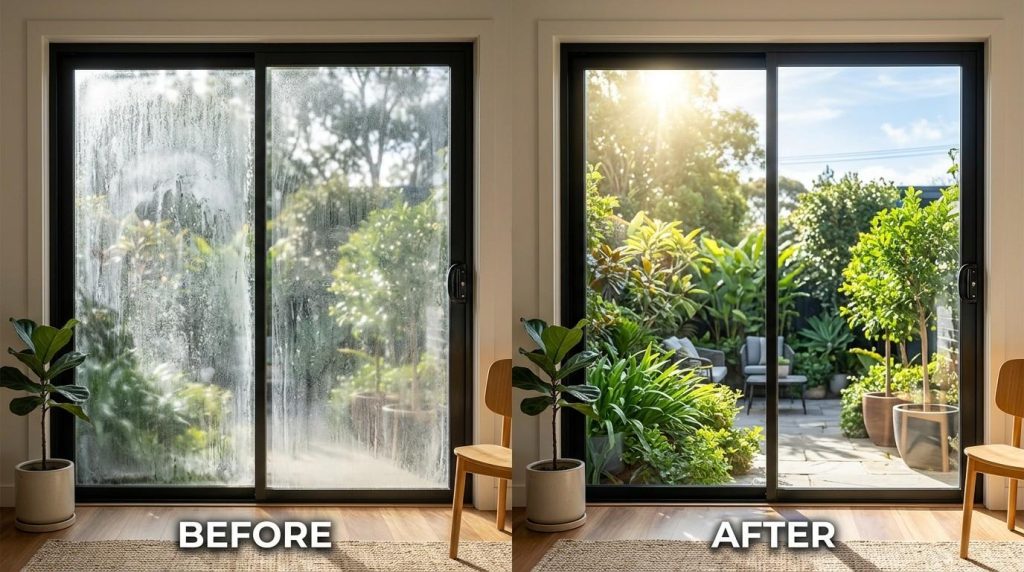
But you’re not alone—millions deal with hard water stains, especially in areas with mineral-rich water supplies like the Midwest and Southwest. If you want glass that sparkles, you need the right methods, safe products, and a little know-how. As an experienced home improvement writer, I’ll walk you through everything you need to know to banish those spots for good.
What Are Hard Water Stains And Why Are They So Tough?
Before tackling removal, it helps to know what you’re up against. Hard water contains high levels of calcium and magnesium. When this water dries on glass surfaces, it leaves behind a white, cloudy residue. Over time, these minerals bond with the glass, making them difficult to remove with regular cleaning.
What makes these stains frustrating is their gradual buildup. At first, you might just notice faint spots. If you ignore them, the minerals harden and form a crust. Unlike dirt, you can’t just wipe them away. Many basic cleaners only remove surface grime, not mineral deposits.
That’s why you may clean and clean and still see those spots.
If ignored, hard water stains can become etched into the glass, causing permanent damage. This etching happens because minerals interact with the glass at a chemical level, slowly corroding its surface. This is why acting quickly and using the right techniques matters. Many people try to scrub with harsh cleaners or abrasive pads, but these can scratch the glass, making the problem worse. Once scratched, glass is much harder to keep clean, and the scratches can trap even more minerals.
Common Places You’ll Find Hard Water Stains
Hard water stains don’t just stick to one spot. You’ll likely find them in places you use water often, such as:
- Shower doors and walls
- Bathroom mirrors
- Windows exposed to sprinklers
- Drinking glasses and dishes
- Car windows
- Glass stovetops
- Faucets and fixtures
For example, if you live near a golf course or have automatic sprinklers, outdoor windows often get hit by hard water and sun. The sun bakes the minerals onto the glass, making stains worse. In bathrooms, hot showers create steam, which mixes with hard water and leaves spots on mirrors and tiles.
Even small kitchen appliances with glass parts—like coffee makers—can get cloudy from repeated hard water use.
Knowing where to look helps you catch stains early, making them easier to remove and prevent in the future. If you see a chalky film on glass or a ring inside a drinking glass, it’s likely hard water residue. This early detection means you can use gentler methods, protecting your glass for longer.
Essential Tools And Products For Removing Hard Water Stains
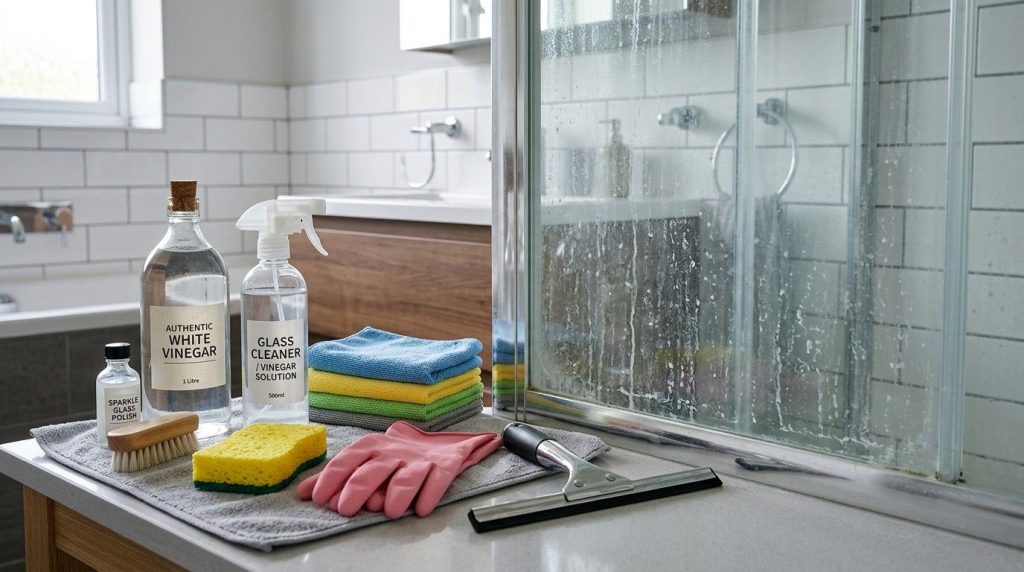
You don’t need fancy products to beat hard water stains, but some basics make the job easier. Here’s a rundown of what helps most:
| Tool/Product | Why It Works | Best Use |
|---|---|---|
| White vinegar | Acidic, dissolves minerals | Showers, windows, glasses |
| Lemon juice | Natural acid, gentle on glass | Small spots, glassware |
| Baking soda | Mild abrasive, lifts stains | Tough stains, shower doors |
| Non-scratch sponge | Scrubs without scratching | All glass surfaces |
| Microfiber cloth | Lint-free, polishes glass | Drying, final polish |
| Commercial glass cleaner | Extra cleaning power | Severe stains |
| Rubber gloves | Protects your hands | All chemical use |
| Spray bottle | Even application of solutions | Larger surfaces |
Safety tip: Always use gloves when working with acidic solutions or commercial cleaners. Open windows or turn on fans for good ventilation. If you have sensitive skin, double up gloves or choose disposable nitrile ones for extra protection. It’s also smart to keep all cleaners out of reach of kids and pets, especially when using commercial products.
Another overlooked tool: an old toothbrush. It’s great for cleaning around faucet bases or window edges where stains collect. For glassware with narrow necks, like carafes or vases, bottle brushes can reach and scrub away hidden spots.
Step-by-step Methods For Removing Hard Water Stains From Glass
Let’s break down the most effective ways to tackle hard water stains. Some methods use items you likely have at home, while others call for store-bought solutions. Start simple before moving to stronger products.
1. White Vinegar Method
Why it works: White vinegar’s natural acidity breaks down mineral deposits without damaging glass.
Steps:
- Pour equal parts white vinegar and warm water into a spray bottle.
- Spray the solution generously on the stained glass.
- Let it sit for 5–10 minutes to loosen minerals.
- Wipe with a non-scratch sponge or microfiber cloth.
- Rinse with clean water and dry thoroughly.
Tip: For stubborn spots, soak a paper towel in vinegar and lay it over the stain for up to 30 minutes before wiping. This works especially well on vertical surfaces like shower doors, where the solution might otherwise drip off.
If you have very tough stains, heat the vinegar mixture in the microwave for 30 seconds before spraying. Warm vinegar can dissolve minerals more quickly, but always test a small area first to be sure the heat doesn’t affect any coatings on your glass.
2. Baking Soda Paste
Why it works: Baking soda adds gentle abrasion, helping lift tough stains.
Steps:
- Mix baking soda with a few drops of water to form a paste.
- Apply paste to stains using a soft cloth or sponge.
- Rub gently in circles—never use force.
- Rinse with vinegar (you’ll see fizzing as minerals break down).
- Wipe with a clean damp cloth and dry.
Caution: Avoid over-scrubbing, which can scratch glass. For large, flat surfaces, work in small sections so the paste doesn’t dry out. If you’re treating glassware, use your fingers instead of a sponge for better control and less risk of scratching.
3. Lemon Juice For Light Stains
Lemon juice works like vinegar but smells fresher.
- Cut a lemon in half and rub it over the stain.
- Let the juice sit for 5–10 minutes.
- Wipe with a damp cloth and dry.
This method is best for small spots or glassware. If you don’t have fresh lemons, bottled lemon juice is a good backup. For delicate items like wine glasses, lemon juice is less likely to harm decorations or gold rims. You can also use the lemon peel’s oils to shine glass after cleaning.
4. Commercial Hard Water Stain Removers
If stains won’t budge, try a commercial cleaner designed for hard water deposits. Brands like Bio Clean, Lime-A-Way, or CLR are effective.
- Read the label and follow instructions carefully.
- Wear gloves and ventilate the area.
- Apply with a non-scratch sponge.
- Rinse well and dry.
Warning: Never mix different cleaners. Some combinations can create toxic fumes.
Some commercial products are gels that cling to vertical surfaces, making them great for shower doors. Always test first on a small, hidden area to check for any reaction or discoloration. For outdoor windows, rinse thoroughly to prevent chemicals from dripping onto plants or siding.
5. Razor Blade Technique (for Flat Glass Only)
Sometimes, a razor blade is needed for glass shower doors or windows. This method should be used only when other methods fail.
- Wet the glass with vinegar or cleaner.
- Hold the blade at a 45-degree angle.
- Gently scrape off mineral deposits—don’t press hard.
- Wipe away loosened residue with a damp cloth.
Important: Only use this method on flat, uncoated glass. Avoid if your glass is tinted, frosted, or has a special coating.
A new, sharp blade is safer than a dull one, which can catch and scratch. Always keep the blade wet to prevent dragging. If you’re unsure about your glass type, skip this method or consult a pro.
6. Using A Steam Cleaner
A home steam cleaner can loosen mineral deposits without chemicals.
- Fill the steamer with distilled water.
- Direct steam at stains for several seconds.
- Wipe away loosened minerals with a microfiber cloth.
Advantage: Safe for those sensitive to chemicals.
Steam is especially useful for large windows or multi-pane doors, where chemical use is tricky. For best results, follow up with a vinegar wipe to catch any missed spots. Steamers also sanitize surfaces, which is a bonus in kitchens or bathrooms.
Case Study: Restoring A Cloudy Shower Door
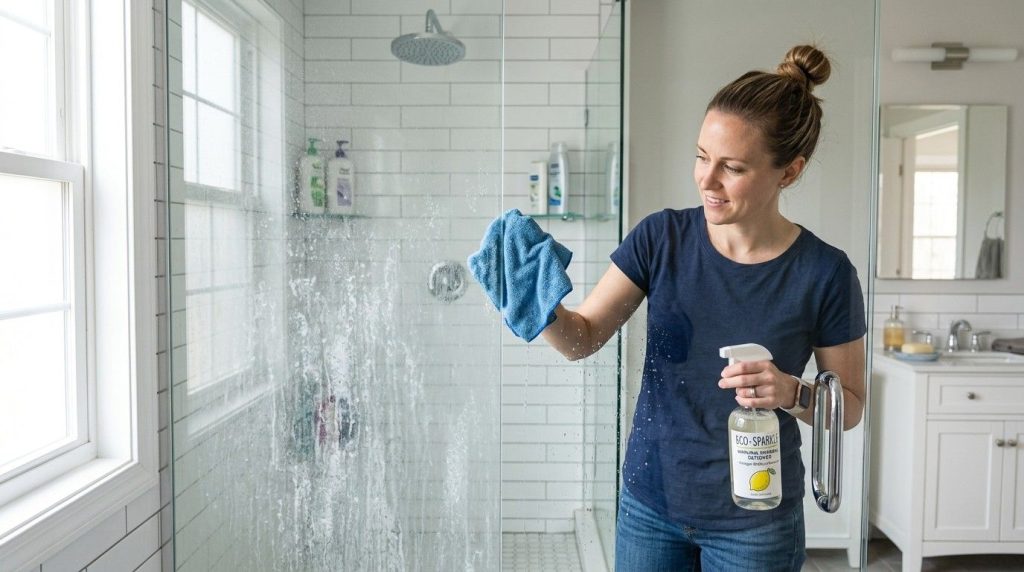
Let’s look at a real-life example. In 2026, a homeowner in Phoenix, Arizona, dealt with severe hard water stains on a glass shower door. The stains had built up for over two years. The homeowner first tried regular glass cleaner, but it left streaks and didn’t remove the haze.
After reading expert advice, they soaked the door in warm vinegar for 30 minutes, using plastic wrap to keep the vinegar from evaporating. Next, they applied a baking soda paste and gently scrubbed with a non-scratch sponge. Finally, they rinsed with clean water and dried the door with a microfiber cloth.
Results: The combination removed almost all visible stains. For the worst areas, they used a commercial cleaner as a final step. The shower door looked nearly new—proof that patience and the right method matter.
One extra insight: this homeowner started using a squeegee after each shower and applied a water repellent spray. Six months later, the stains hadn’t returned. The real lesson is that ongoing maintenance is as important as the initial cleaning.
Comparing Hard Water Stain Removal Methods
Which method is best? It depends on stain severity, glass type, and what products you have. Here’s a quick comparison:
| Method | Effectiveness | Safety | Best For |
|---|---|---|---|
| White vinegar | High (for mild-moderate stains) | Safe, non-toxic | Windows, shower doors |
| Baking soda paste | Moderate-high | Safe, avoid over-scrubbing | Tough stains |
| Lemon juice | Moderate | Safe, gentle | Light stains, glassware |
| Commercial cleaner | Very high | Strong chemicals, use caution | Severe stains |
| Razor blade | Spot removal, risky | Sharp, potential for scratches | Flat uncoated glass only |
| Steam cleaning | Moderate | Very safe, chemical-free | Allergies, eco-friendly homes |
For most homes, starting with vinegar or lemon is wise. Save harsher cleaners or blades for last resorts. If you’re short on time, commercial sprays work fast but require careful handling.
Mistakes To Avoid When Cleaning Hard Water Stains
Many homeowners make the problem worse by using the wrong tools or methods. Here’s what to watch out for:
- Abrasive pads or powders: Steel wool or gritty scouring powders can scratch glass, leaving permanent marks.
- Mixing chemicals: Never mix ammonia and bleach. This creates toxic gas.
- Ignoring safety: Failing to use gloves or ventilation can cause skin irritation or breathing problems.
- Letting stains sit too long: The longer stains remain, the harder they are to remove.
- Using razor blades on coated or curved glass: This can ruin expensive glass.
- Skipping the rinse: Leaving vinegar or cleaner residue can attract more minerals.
Another common error is rushing the process. Letting vinegar or lemon juice sit is key—wiping too soon doesn’t give acids time to dissolve minerals. Also, don’t use dirty rags; clean, lint-free cloths prevent streaks and new buildup.
Preventing Hard Water Stains From Returning
The best way to deal with hard water stains is to stop them before they start. Here’s how you can keep your glass surfaces sparkling:
1. Dry Surfaces After Use
After showers or washing windows, use a squeegee or microfiber cloth to dry glass. Water left to air-dry will leave mineral spots. For showers, a quick squeegee takes less than a minute and can save hours of scrubbing later.
2. Apply A Water Repellent
Products like Rain-X or Invisible Shield create a barrier that helps water roll off glass instead of sticking. Reapply every few weeks for best results. These treatments also make cleaning easier, since stains can’t grip the glass as easily.
3. Soften Your Water
Installing a whole-house water softener is the most effective way to prevent hard water stains in the first place. These systems remove minerals before water reaches your faucets and appliances. While it’s an investment, you’ll save money on cleaning products, appliance repair, and glass replacement over time.
4. Regular Cleaning
Clean glass weekly with vinegar or a mild cleaner. Don’t wait for stains to build up. Make it a habit—set a reminder if you need to. Quick, frequent cleanings are much easier than tackling heavy buildup.
5. Check For Leaks Or Drips
Leaky faucets or showerheads can cause constant water exposure, leading to more stains. Fix leaks promptly to minimize the problem.
6. Treat Problem Areas
If you have “trouble spots”—like a window near a sprinkler—treat them with repellent or wipe them down more often. Sometimes, adjusting sprinkler angles or fixing plumbing can make a big difference.
When To Call A Licensed Professional
Some stains just won’t budge, no matter what you try. If glass is etched (has a frosted, rough texture), the damage is likely permanent. In these cases, it’s best to call a professional glass restoration company. They have specialized tools and polishing compounds that can sometimes restore the surface.
Also, if you have expensive custom glass (like etched shower doors or decorative windows), don’t risk damage with DIY methods. A pro can advise on the safest approach.
A good pro can often polish out light etching or recommend replacement if necessary. This is especially helpful for large, high-value windows or unique architectural glass.
Environmental Considerations And Health
Many common stain removers are safe, but some commercial products contain strong acids. Always:
- Use gloves and eye protection.
- Keep cleaners away from children and pets.
- Rinse glass thoroughly after cleaning.
If you’re sensitive to smells or chemicals, stick with natural options like vinegar and lemon juice. These are effective for most household stains and safe for septic systems.
For those living in drought-prone areas, use only as much water as you need when rinsing. Some eco-friendly cleaners are now available, made from plant-based acids, which are less harsh on both your skin and the environment.
Hard Water Stains On Different Types Of Glass
Not all glass is the same. Here’s what to keep in mind for specific items:
| Glass Type | Best Cleaning Method | Extra Tips |
|---|---|---|
| Shower doors | Vinegar soak, baking soda scrub | Use squeegee after each use |
| Windows | Vinegar spray, microfiber cloth | Avoid cleaning in direct sun (streaks) |
| Drinking glasses | Lemon juice, baking soda | Hand wash, avoid dishwasher buildup |
| Auto glass | Commercial cleaner, soft cloth | Do not use razor blades |
| Decorative/frosted glass | Mild soap, soft sponge | Avoid acids and abrasives |
For antique glass or items with etched designs, always choose the mildest method. If unsure, consult a glass expert before cleaning.
The Science Behind Hard Water And Glass
Hard water is common in about 85% of American homes. It’s not harmful to your health, but it’s tough on plumbing and appliances. According to the U.S. Geological Survey, hard water is defined as water with more than 60 mg/L of calcium carbonate. In some regions, this number is much higher.
When water evaporates, minerals are left behind. Over time, these minerals bond tightly to glass, especially in areas with frequent temperature changes (like showers). This is why stains are tougher in bathrooms than on exterior windows.
The pH level of hard water is another factor. If your water is more alkaline, stains can form more quickly and be harder to dissolve. Some cities publish water reports, which can help you know what you’re dealing with.
If you want to learn more about hard water’s impact on your home, check out the USGS Water Science School.
Real-world Tips From Homeowners
From my experience helping homeowners across the country, a few practical tips stand out:
- Keep a small spray bottle of vinegar in the shower for quick daily touch-ups.
- Store clean microfiber cloths near sinks for fast drying.
- If using a new cleaner, test it first on a small, hidden spot.
- For glassware, try soaking in vinegar overnight, then rinse well.
- Don’t skip drying; even the best cleaner won’t prevent future stains if water sits on glass.
One more tip: If you have a water softener, check it regularly to make sure it’s working. Many people don’t realize their system is out of salt or needs maintenance until stains return.
Frequently Asked Questions
How Often Should I Clean Glass To Prevent Hard Water Stains?
Clean glass at least once a week in areas with hard water. For showers or glass near sinks, a quick wipe-down after each use prevents minerals from building up. Consistency is key—waiting too long makes stains harder to remove.
Will Vinegar Or Lemon Juice Damage My Glass?
No, both are safe for most household glass. However, avoid letting acids sit too long on decorative or coated glass, as they can affect finishes over time. Always rinse thoroughly after cleaning.
Why Are My Drinking Glasses Cloudy Even After Washing?
This is often due to hard water deposits left behind by dishwashers. Try soaking cloudy glasses in vinegar for 15–30 minutes, then wash as usual. If the problem persists, consider using a rinse aid or hand-washing glassware.
Can Hard Water Stains Become Permanent?
Yes, if left untreated for months or years, minerals can etch into the glass. At this stage, stains may look frosted or rough and are very difficult to remove with household cleaners. Calling a professional is the best option for etched glass.
Are There Any Cleaning Products I Should Avoid?
Avoid abrasive powders, steel wool, and anything labeled “heavy-duty” unless it’s designed for glass. Harsh chemicals like oven cleaner or paint stripper can damage glass and are unsafe for home use.
Glass surfaces are a big part of what makes your home feel bright and fresh. With the right approach, hard water stains don’t have to be a permanent problem. Remember, start with gentle methods, act quickly, and prevent stains before they start.
If all else fails, don’t hesitate to call a pro—sometimes, expert help is the fastest way to restore your glass to like-new condition.