Your Trusted Source for Home Fixes & Guides

How to Clean Mold off Wood Furniture: Tips for Safe Removal

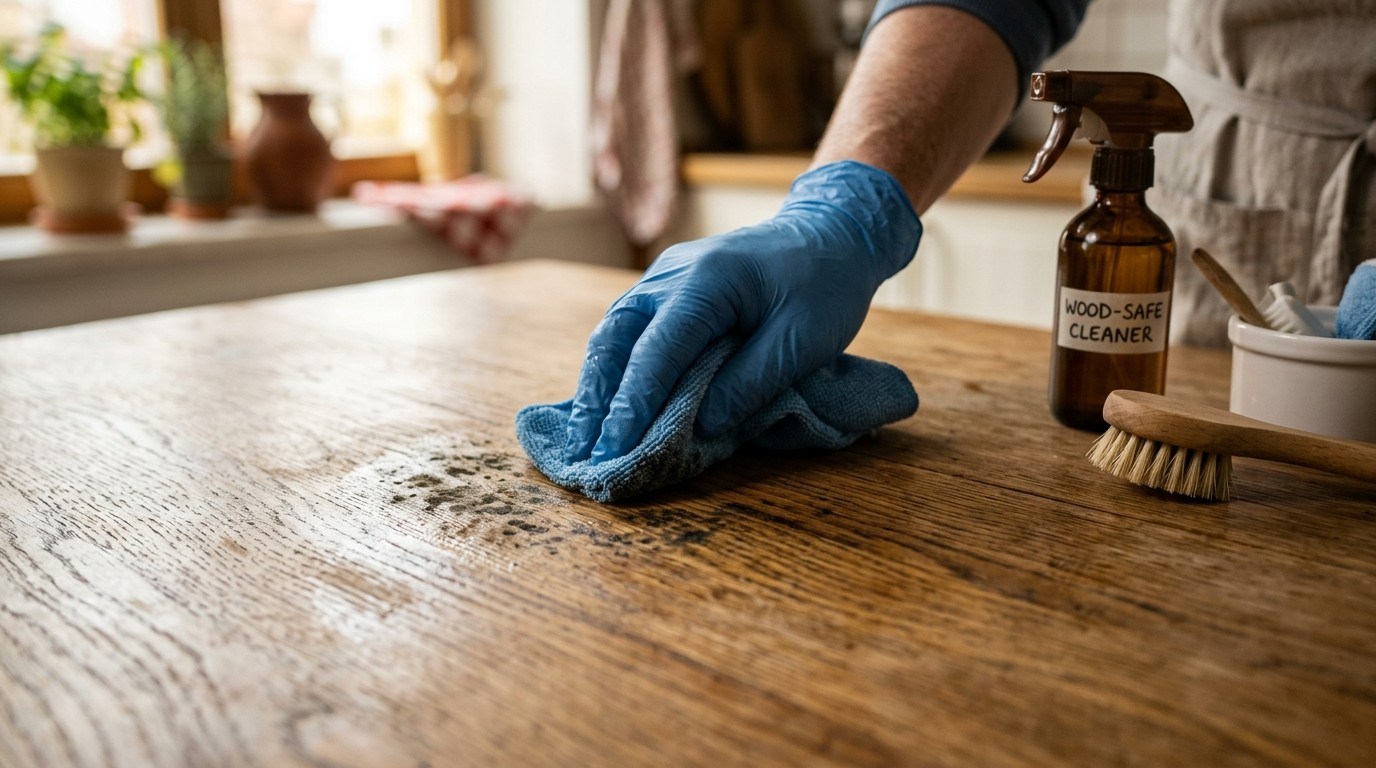
Mold on wood furniture is a nightmare for any homeowner. It can spread quickly and damage your favorite pieces, leaving black, green, or white fuzzy patches on tables, dressers, or chairs. If you’re wondering How to Clean Mold off Wood Furniture, don’t panic. With the right cleaning approach and proper precautions, you can remove surface mold safely, protect the wood, and help prevent it from returning.
With the right approach, you can get rid of mold and keep your wood furniture looking great.
As someone who’s spent years tackling home maintenance and cleaning projects, I know how frustrating and stubborn mold can be. In this guide, you’ll learn safe and effective ways to clean mold off wood furniture, how to prevent it from coming back, and when it’s time to call in a pro.
Plus, I’ll share tips most people miss and a real-life case study from my own experience.
Why Mold Grows On Wood Furniture
Wood is a natural material that absorbs moisture. When wood gets wet and doesn’t dry out, mold spores in the air find a perfect place to settle and grow. Mold thrives in places that are:
- Damp or humid (like basements or bathrooms)
- Poorly ventilated
- Near water leaks or spills
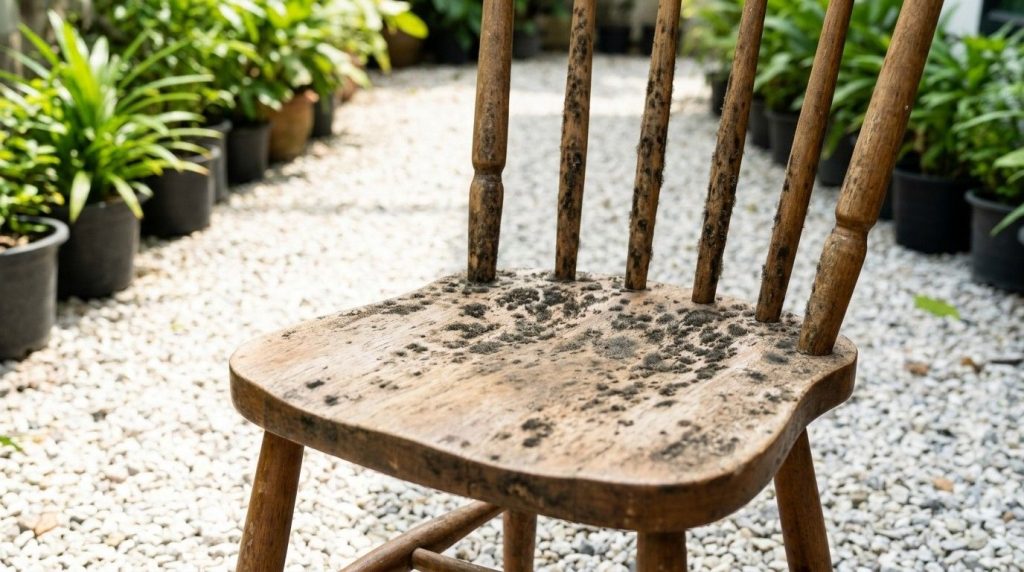
Even a small spill or high indoor humidity can start a mold problem. Wooden furniture that sits against exterior walls or in corners is especially vulnerable. The type of mold that grows can range from harmless surface mildew to more dangerous species like black mold (Stachybotrys chartarum), which can trigger allergies and breathing problems.
Is Mold On Wood Furniture Dangerous?
Mold isn’t just ugly—it can be a health risk. Exposure to mold can cause symptoms like:
- Coughing or sneezing
- Itchy eyes or skin
- Headaches
- Worsened asthma or allergies
Some types of mold produce mycotoxins, which are more hazardous, especially for kids, seniors, and those with weakened immune systems. If you see mold covering a large area (greater than 10 square feet), or if you smell a strong, musty odor, you may need professional help.
Safety First: Precautions Before Cleaning
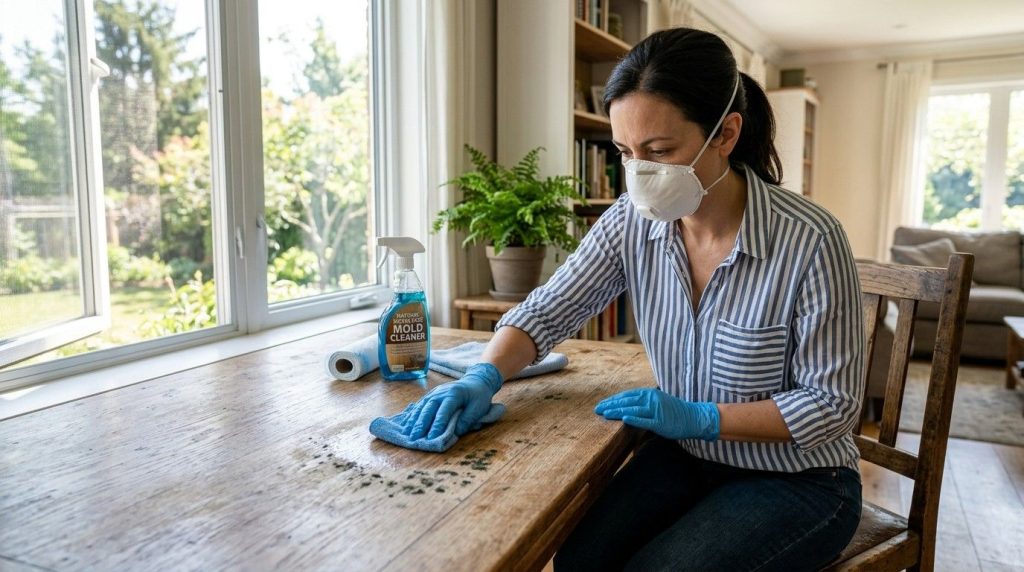
Before you dive into cleaning, it’s important to protect yourself and your home. Mold spores can spread easily if disturbed. Follow these safety tips:
- Wear gloves, goggles, and an N95 mask. This keeps spores out of your lungs, eyes, and off your skin.
- Work in a well-ventilated area. Open windows and doors. If possible, move the furniture outside.
- Cover nearby items. Lay down plastic sheets or old towels to protect floors and other furniture.
- Keep kids and pets away. Mold cleanup isn’t safe for them to be around.
Don’t skip these steps—most people forget to protect themselves, and that can lead to bigger problems.
What You’ll Need: Supplies And Tools
Gather your cleaning supplies before starting. Here’s a list of what you might need:
- Rubber gloves
- N95 respirator mask
- Safety goggles
- Soft bristle brush or old toothbrush
- Vacuum with HEPA filter (optional, but recommended)
- Spray bottle
- Clean microfiber cloths or rags
- Mild detergent (like dish soap)
- White vinegar
- Baking soda
- Hydrogen peroxide (3%)
- Sandpaper (fine grit) (for unfinished wood)
- Fans or dehumidifier
Most of these items are common household supplies. Never mix cleaning chemicals together, as this can create toxic fumes.
Step-by-step Guide: How To Clean Mold Off Wood Furniture
Let’s get into the cleaning process. I’ll break it down into manageable steps for best results.
1. Assess The Damage
Check how much mold is present and the condition of the wood:
- Light surface mold: Looks powdery or fuzzy, easy to wipe off.
- Heavy growth or stains: Dark spots, mold has penetrated the wood.
- Rotten or crumbling wood: The structure may be compromised.
If the furniture is valuable or the mold covers a large area, consult a restoration specialist.
2. Remove Loose Mold
Start by removing as much loose mold as possible:
- Vacuum the surface using a HEPA filter vacuum. This traps spores and prevents them from spreading.
- Gently brush the moldy areas with a soft bristle brush or toothbrush. Do this outside if possible.
- Dispose of the vacuum bag or empty the canister into a sealed trash bag.
Never use a regular vacuum without a HEPA filter—spores will just blow back into the air.
3. Choose The Right Cleaning Solution
Pick a cleaning method based on the finish of your furniture:
- Finished or sealed wood: Mild detergent, vinegar, or hydrogen peroxide.
- Unfinished wood: Dry brushing, followed by a very light application of cleaning solution.
Never soak wood furniture—too much water can cause warping or further mold growth.
Cleaning Solution Comparison
Here’s a quick look at common cleaning solutions for mold on wood:
| Solution | Strength | Safe for Finished Wood? | Residue? |
|---|---|---|---|
| White Vinegar | Moderate | Yes | No |
| Hydrogen Peroxide (3%) | Strong | Yes (test first) | No |
| Mild Detergent | Gentle | Yes | Minimal |
| Baking Soda Paste | Gentle | Yes | No |
4. Clean The Moldy Area
Follow these steps for a thorough clean:
For Finished Wood
- Mix a cleaning solution: Combine a few drops of dish soap with warm water, or use undiluted white vinegar in a spray bottle.
- Lightly spray the moldy area. Do not soak—just mist the surface.
- Wipe with a microfiber cloth. Move in small circles, applying gentle pressure.
- For stubborn spots: Dab a cloth in hydrogen peroxide and gently rub. Let it sit for 10 minutes, then wipe clean.
- Dry immediately with a clean towel.
For Unfinished Wood
- Dry brush first to remove surface mold.
- Make a baking soda paste: Mix 1 tablespoon baking soda with 1–2 teaspoons water.
- Apply paste to moldy spots, let sit for 5–10 minutes.
- Wipe gently with a barely damp cloth.
- Dry right away with a towel or hairdryer (cool setting).
5. Let The Furniture Dry Completely
After cleaning, it’s crucial to dry the wood fast:
- Place the furniture in a sunny, well-ventilated area.
- Use fans or a dehumidifier to speed up drying.
- Avoid using the furniture until it’s 100% dry.
Lingering moisture is the number one reason mold returns.
6. Inspect And Repeat If Needed
Check the furniture after a few hours. If you see any mold, repeat the cleaning process. For deep stains, you may need to lightly sand the surface with fine-grit sandpaper, then wipe clean.
7. Restore And Protect The Finish
Once mold is gone and the wood is dry:
- Apply a wood conditioner or polish to protect the surface.
- For unfinished wood, consider sealing it with a water-resistant finish to prevent future problems.
Case Study: Reviving A Moldy Antique Dresser
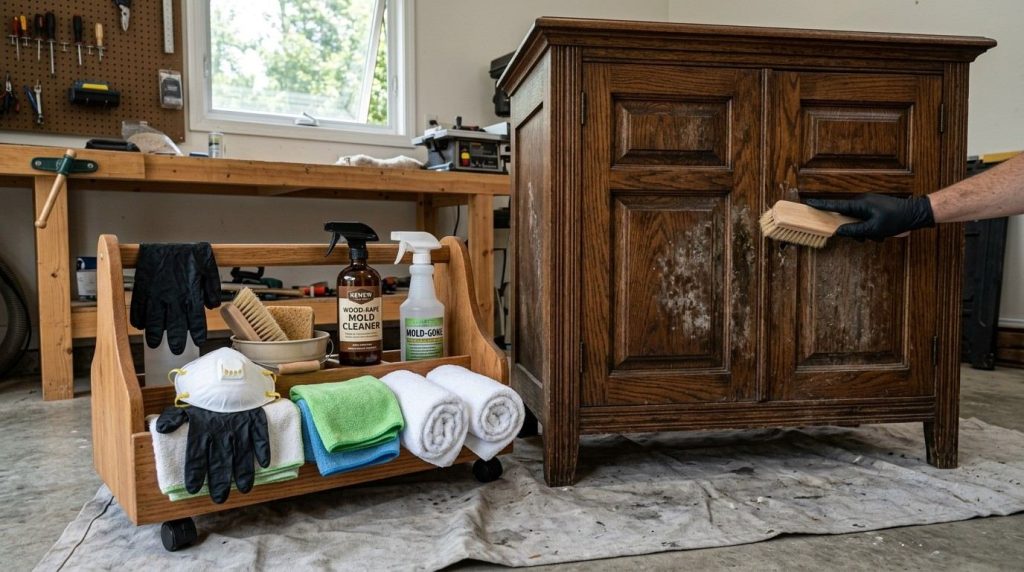
Let me share a real-world example. A client once called me about her grandmother’s antique oak dresser, which had been stored in a damp garage. The dresser had heavy mold on the back and drawers, but the finish on the front was still intact.
Here’s how I handled it:
- Safety gear on, I moved the dresser outside.
- Vacuumed all surfaces with a HEPA filter.
- Cleaned finished areas with a vinegar and water mix, using a microfiber cloth.
- For unfinished parts, I made a baking soda paste and gently scrubbed.
- Let it dry in the sun for a full day.
- Sanded lightly where stains remained, then wiped with a damp cloth.
- Polished the finished areas with a beeswax-based wood conditioner.
The dresser looked almost new. The client was thrilled and, most importantly, the mold was gone for good.
Non-obvious insight: It’s often the hidden parts—like drawer bottoms, the back panel, or inside corners—that hide the worst mold. Always check every nook and cranny, not just visible surfaces.
Common Mistakes To Avoid
Many people make simple errors that make mold problems worse or damage their furniture:
- Using bleach on wood: Bleach can discolor wood and doesn’t penetrate deeply enough to kill mold roots.
- Soaking the furniture: Waterlogged wood warps and encourages more mold.
- Skipping safety gear: Mold spores are invisible and can cause health issues.
- Not drying quickly: Damp wood is a perfect environment for mold to return.
- Ignoring musty smells: Even if you can’t see mold, a musty odor means spores are still present.
If you’re not sure what you’re dealing with, or if the furniture is valuable, it’s always better to get professional advice.
When To Call A Professional
Some situations are best left to experts:
- Mold covers a large area (over 10 square feet)
- Furniture is valuable, antique, or a family heirloom
- You have health concerns (allergies, asthma, immune issues)
- Mold keeps coming back despite cleaning
Professionals have specialized equipment and products to safely remove mold without harming the wood or spreading spores. For more details on when to hire a pro, check resources like the EPA’s Mold Cleanup Guide.
Preventing Mold From Coming Back
Once you’ve cleaned your furniture, you want to keep it mold-free. Prevention is easier than repeated cleaning. Here’s how:
Control Humidity
- Keep indoor humidity below 60% (ideal: 30–50%)
- Use dehumidifiers in damp areas like basements
- Run exhaust fans in bathrooms, kitchens, and laundry rooms
Improve Airflow
- Don’t place furniture directly against exterior walls
- Open windows regularly for cross-ventilation
- Leave closet doors slightly open to let air circulate
Address Moisture Sources
- Fix leaks or water spills quickly
- Keep furniture away from known damp spots
- Store wood furniture in dry, climate-controlled spaces
Routine Cleaning
- Dust furniture regularly
- Inspect hidden and hard-to-reach areas every few months
- Use a wood-safe cleaner for routine wipe-downs
Moisture Control Product Comparison
Here’s how common moisture control methods stack up for homeowners:
| Method | Best Use | Maintenance | Cost |
|---|---|---|---|
| Dehumidifier | Basements, whole rooms | Empty tank, clean filter | $$ |
| Moisture Absorber (desiccant) | Closets, small spaces | Replace crystals/packs | $ |
| Ventilation Fan | Bathrooms, kitchens | Clean grill, check function | $$ |
Non-obvious insight: Furniture placed on carpeted floors is more likely to develop mold underneath, especially in humid climates. Consider lifting pieces on small blocks or using moisture barriers.
Eco-friendly And Natural Mold Removal Options
If you prefer to avoid strong chemicals, natural cleaners can be just as effective for light mold:
- White vinegar: Kills 82% of mold species. Spray, wait an hour, and wipe.
- Baking soda: Mild abrasive, deodorizes and scrubs away surface mold.
- Tea tree oil: Mix 1 teaspoon per cup of water, spray, and wipe.
- Hydrogen peroxide: Antifungal and antibacterial. Test on a small spot first.
These options are gentle on wood and safer for kids and pets. However, for severe mold or valuable furniture, always check with a pro before using anything new.
How To Tell If Mold Is Gone
After cleaning, check these signs to make sure you’ve solved the problem:
- No visible mold patches or fuzzy growth
- No musty or earthy smell
- The wood feels dry to the touch
- No new spots appear after a week
If mold or odor returns, repeat the cleaning or call an expert.
How Mold Affects Wood Furniture Value
Mold can lower the value of wood furniture, especially antiques and collectibles. Even after cleaning, deep stains and odors can remain. If you plan to resell, document the cleaning process and disclose any past mold issues.
Some restoration specialists can remove stains and refinish wood, but this may affect the piece’s originality or value. When in doubt, get an appraisal.
Frequently Asked Questions
How Do I Know If I Have Mold Or Just Dirt On My Furniture?
Mold usually looks fuzzy, slimy, or powdery, and comes in colors like black, green, or white. Dirt tends to be dry and brown or gray. If you notice a musty smell, or if wiping the spot with vinegar removes it, it’s probably mold.
Can I Use Bleach To Clean Mold Off Wood?
It’s not recommended. Bleach can damage the wood’s finish and doesn’t penetrate deeply enough to kill all mold roots. Use white vinegar, hydrogen peroxide, or a mild detergent instead.
How Can I Prevent Mold From Coming Back?
Keep humidity low, improve ventilation, fix leaks right away, and regularly inspect your furniture. Use dehumidifiers in damp rooms and don’t push furniture against exterior walls.
Is It Safe To Keep Furniture That Had Mold On It?
If cleaned thoroughly and dried completely, most wood furniture can be saved. However, if you or your family have allergies or health issues, consider consulting a professional before bringing it back inside.
When Should I Call A Mold Remediation Professional?
If the mold covers more than 10 square feet, the furniture is valuable or irreplaceable, or if you have health concerns, call a professional. They have the right tools to remove mold safely and protect your health.
Dealing with mold on wood furniture can feel overwhelming, but with the right approach, you can restore your pieces and protect your family’s health. Always work safely, act quickly, and don’t hesitate to call in an expert if the job is too big or the furniture is important to you.
With some attention to prevention, your wood furniture can stay beautiful and mold-free for years to come.