Your Trusted Source for Home Fixes & Guides

How to Clean Spots on Couch: Easy Stain Removal Tips

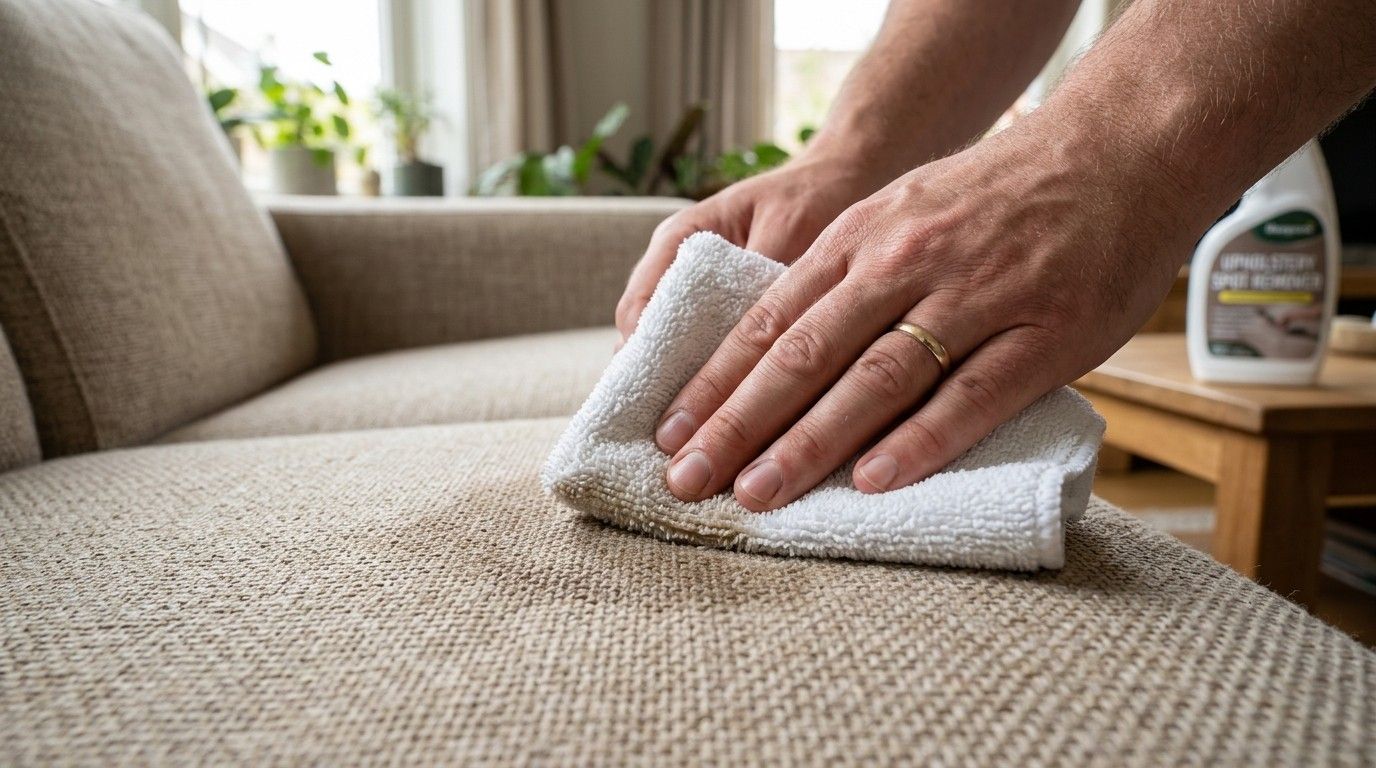
How to Clean Spots on Couch is a common question for homeowners dealing with everyday spills and stains. If you’re wondering how to clean spots on couch, the right cleaning method depends on your couch’s fabric and the type of stain. This guide shares safe, effective techniques to remove common spots and keep your couch looking clean, fresh, and well-maintained.

As a homeowner with years of experience in cleaning and repairs, I know that quick action and the right technique can make all the difference. In this guide, you’ll learn step-by-step methods for removing spots from different couch materials, practical safety tips, and advice to help you avoid common mistakes.
You’ll also find real-life examples and comparisons to help you choose the best cleaning approach for your situation.
Understanding Couch Materials
Before you start scrubbing, it’s important to know what type of fabric you’re dealing with. Not all couches are made the same, and using the wrong cleaner can cause permanent damage. In fact, the way your couch reacts to moisture, heat, and chemicals depends heavily on its material.
Some fabrics are tough and forgiving, while others are delicate and need a gentle touch.
Common Couch Materials
- Microfiber: Popular for its stain resistance and soft feel. Microfiber couches often have a suede-like texture and are known to repel liquids for a short time, giving you a window to clean up spills. However, they can show water spots if cleaned incorrectly.
- Leather: Durable but sensitive to harsh chemicals. Leather can last for decades if cared for properly, but it absorbs oils and can dry out or crack if you use the wrong products.
- Cotton and Linen: Comfortable but prone to absorbing stains quickly. Natural fibers like these can look great but act like sponges for spills, so fast action is key.
- Polyester and Synthetic Blends: Often easier to clean but may react to heat or strong cleaners. They tend to resist stains but can sometimes pill or lose their color if treated harshly.
- Velvet: Luxurious but delicate. Velvet shows every mark and requires gentle, careful cleaning to avoid crushing its soft texture.
Check the manufacturer’s label under your couch cushions for cleaning codes. Here’s what the codes mean:
| Code | Cleaning Method |
|---|---|
| W | Water-based cleaners |
| S | Solvent-based cleaners (no water) |
| WS | Either water or solvent cleaners |
| X | Vacuum only (no cleaners) |
If you don’t see a code, test your cleaner on a small, hidden spot first. This step can prevent a surprise like color loss, shrinkage, or permanent rings on your couch.
Preparing For Spot Cleaning
A little preparation goes a long way. Start by gathering your supplies:
- Clean white cloths (colored cloths can bleed)
- Mild dish soap
- White vinegar
- Baking soda
- Rubbing alcohol
- Soft-bristled brush
- Spray bottle
- Vacuum with upholstery attachment
Remove loose dirt and debris with your vacuum. This step prevents rubbing dirt deeper into the fabric. Many people skip this, but vacuuming first can make your cleaning solution more effective, since it’s not fighting through a layer of dust or crumbs.
Safety Precautions
- Always ventilate the room when using chemicals. Open windows or turn on a fan to avoid breathing in fumes.
- Wear gloves if you have sensitive skin or allergies. Even mild cleaners can irritate some people.
- Never mix cleaning products unless you’re sure it’s safe. For example, mixing ammonia and bleach is dangerous and creates toxic fumes.
- Read labels on all products. Some cleaners are not meant for upholstery and could leave behind sticky residues.
How To Clean Common Couch Spots
Each stain type needs a different approach. Let’s break down the most frequent spots and how to tackle them. Knowing the cause and age of a stain can also guide your method—fresh stains clean up easier, while older spots may need extra effort.
1. Food And Beverage Stains
These are the most common and usually easy to remove if handled quickly. Spills like coffee, soda, or ketchup can leave marks, but acting fast helps prevent them from setting.
Steps:
- Blot up excess liquid with a dry cloth—never rub. Rubbing pushes the stain deeper.
- Mix 1 teaspoon of mild dish soap with 1 cup warm water.
- Dip a cloth in the solution and gently blot the stain. Work from the outside in to prevent spreading.
- Rinse the area with a damp cloth (plain water) to remove soap residue.
- Let it air dry. Open windows if possible to speed this up.
Tip: For colored stains (like wine or juice), add a splash of white vinegar to the cleaning solution. Vinegar helps break down pigments in the stain.
A common mistake is using too much water—just dampen the cloth, don’t soak the couch.
2. Grease And Oil Spots
Pizza, chips, or lotion can leave greasy marks. Grease needs to be absorbed before you try to clean it, or it can spread.
Steps:
- Sprinkle baking soda over the spot and let it sit for 15 minutes. Baking soda draws out oil.
- Vacuum up the baking soda.
- Blot the area with a cloth dipped in dish soap and water. Use only a little soap to avoid residue.
- Repeat if needed. Some oily stains need two or three tries.
Mistake to Avoid: Don’t use hot water—it can set oil stains and make them permanent.
A non-obvious tip: For really stubborn oil spots, you can try a small amount of cornstarch instead of baking soda for extra absorption, especially on lighter fabrics.
3. Ink And Marker Stains
Pens and permanent markers are tough, but not impossible. The key is to catch ink spills early, before they dry.
Steps:
- Dab (don’t rub) rubbing alcohol onto a cloth.
- Gently blot the stain, watching the ink transfer to your cloth.
- Rinse with a damp cloth. Make sure to remove any leftover alcohol.
Warning: Test rubbing alcohol in a hidden area first. It can discolor some fabrics, especially those with bright or dark colors.
A helpful note: Don’t pour alcohol directly onto the couch. Always use a cloth and keep your movements gentle.
4. Pet Stains (urine, Vomit)
These spots need odor removal as well as cleaning. Pet stains can soak deep into cushions, so quick cleanup is important.
Steps:
- Blot up as much as possible. Use paper towels to soak up liquid.
- Mix 1 cup water with 1 tablespoon white vinegar and 1 teaspoon dish soap.
- Apply to the area and blot. Repeat until the stain lightens.
- Sprinkle baking soda and let it dry. Vacuum after a few hours.
Tip: For persistent odors, use an enzymatic cleaner. These break down proteins that cause smells and are sold at pet stores.
Non-obvious advice: Always check if the cushion cover is removable—if so, wash it separately for deeper cleaning.
5. Mud And Dirt
Dry mud is easier to remove than wet mud. Waiting for mud to dry can feel wrong, but it prevents you from smearing dirt into the fabric.
Steps:
- Let mud dry completely.
- Gently brush off loose dirt with a soft brush.
- Vacuum thoroughly, especially in seams and crevices.
- Clean remaining spot with dish soap and water.
Mistake to Avoid: Don’t try to clean wet mud—it spreads more and can stain a larger area.
Cleaning Different Couch Materials
Now let’s look at how to clean spots based on your couch’s fabric. Using the right method protects the material and keeps it looking good longer.
Microfiber
Microfiber is durable but can show water rings if cleaned incorrectly.
Steps:
- Sprinkle baking soda over the spot, wait 15 minutes, then vacuum.
- For tougher stains, use rubbing alcohol instead of water. Spray lightly and blot.
- Fluff the fibers with a dry brush after drying. This restores the nap and keeps the surface soft.
Extra Advice: Water can cause marks, so stick with alcohol-based cleaning. If you see a hard spot after drying, gently rub it with a clean, dry sponge.
Leather
Leather couches need special care.
Steps:
- Wipe the spot with a dry cloth to remove loose dirt.
- Mix equal parts water and white vinegar.
- Dip a cloth, wring out well, and gently wipe the area. Less is more—avoid soaking the leather.
- Dry with a clean towel.
- Condition leather with a small amount of leather conditioner. This step prevents cracks and keeps leather supple.
Warning: Avoid harsh chemicals—they can crack or fade leather. Also, don’t use regular furniture polish—it’s not meant for leather.
A key insight: Sunlight fades leather. After cleaning, keep your couch out of direct sunlight as much as possible.
Cotton And Linen
These fabrics absorb stains quickly.
Steps:
- Blot stains immediately—speed is critical.
- Use a mild soap and water mixture. Only dampen the cloth, not the fabric.
- For tough spots, mix a little hydrogen peroxide (test first in a hidden spot).
- Rinse with water and blot dry.
Mistake to Avoid: Don’t oversaturate fabric—too much water can cause shrinking or water marks.
Extra tip: If your cushion covers are machine-washable, wash them in cold water and air dry for best results.
Synthetic Blends
Polyester and similar fabrics are usually stain-resistant.
Steps:
- Use a mild soap and water solution for most stains.
- For oily spots, add a dash of white vinegar. Vinegar helps break up grease.
- Rinse and blot dry.
Extra Advice: Avoid high heat when drying; it can damage fibers. Always air-dry synthetic couches or use a fan.
Velvet
Velvet is delicate and needs a gentle touch.
Steps:
- Blot stains—never rub, or you may crush the pile.
- Use a mild soap and water mix. Lightly dab, don’t soak.
- Let air dry. Brush gently with a soft brush to restore the pile.
Warning: Avoid steam or too much water. Velvet is very sensitive to moisture.
Non-obvious insight: Use a velvet brush or a clean toothbrush to gently lift crushed fibers after cleaning.
Case Study: Removing Coffee Stains From A Microfiber Couch
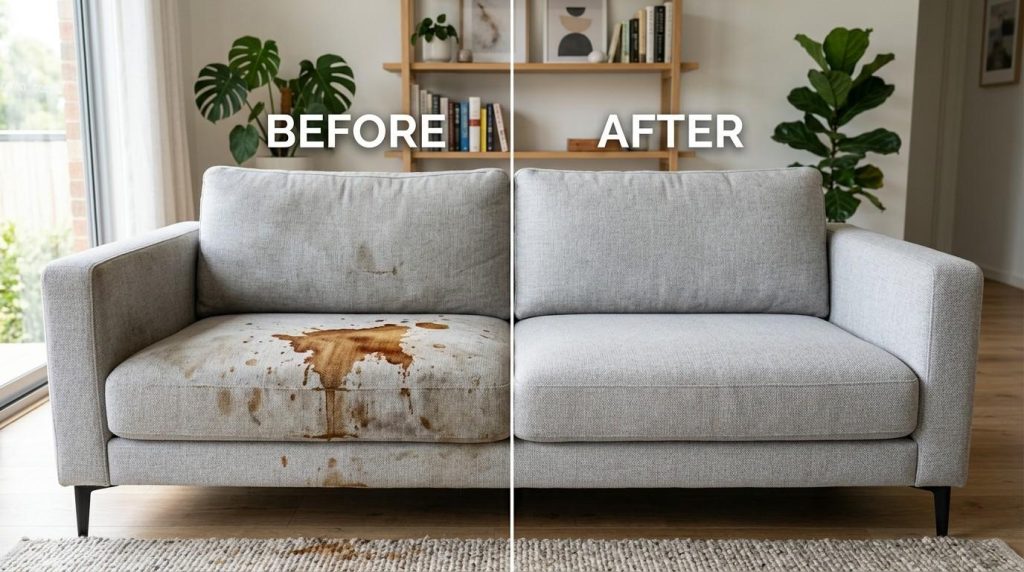
A homeowner in Seattle spilled coffee on their light gray microfiber couch. Acting fast, they blotted the liquid, then sprinkled baking soda to absorb leftover moisture. After vacuuming, they sprayed the spot with rubbing alcohol, blotted gently, and let it air dry.
The stain disappeared without leaving a water ring. This real-life example shows that quick action and the right tools can save your couch, even with tricky stains.
In another scenario, a family with young children spilled juice on a cotton-blend sofa. They followed the soap and vinegar method described above, and the stain faded without any discoloration. These examples show that knowing your couch fabric—and having supplies ready—can make cleaning much less stressful.
Comparing Cleaning Methods
Different cleaning methods work better for different stains and couch materials. Here’s a side-by-side comparison to help you choose:
| Method | Best For | Not Recommended For |
|---|---|---|
| Dish Soap + Water | Food, drinks, mud | Leather, microfiber (can cause water rings) |
| Rubbing Alcohol | Microfiber, ink | Leather, cotton (can discolor) |
| Baking Soda | Grease, odors, pet stains | Velvet (can flatten pile) |
| Vinegar Solution | General stains, cotton, leather | Velvet, synthetic blends (can damage fibers) |
| Enzymatic Cleaner | Pet stains | General cleaning (not needed) |
If you’re not sure which method to use, start with the gentlest option first. For example, try dish soap on a small spot, then move to a stronger cleaner if needed.
Deep Cleaning And Professional Help
Spot cleaning keeps your couch looking fresh, but sometimes deep cleaning is needed. Deep cleaning can reach stains and odors that regular cleaning can’t touch.
When To Deep Clean
- Multiple stains or spots that keep coming back
- Persistent odors you can’t remove with surface cleaning
- After illness or pet accidents that soak into cushions
Renting a steam cleaner or hiring a professional can help. Always check the manufacturer’s instructions before using steam on your couch. Some fabrics, especially “S” or “X” code, should never be steam cleaned.
Extra tip: If you deep clean yourself, open windows and use fans to speed up drying. Damp couches can attract mildew.
When To Call A Licensed Professional
- If your couch has a cleaning code “X” (vacuum only)
- Leather couches with deep stains or ink spots
- Mold, mildew, or heavy odors you can’t remove
Professional cleaners have the right tools and insurance. It’s safer than risking damage to expensive furniture. They can also use specialized products not available to the public, which often work faster and better than home methods.
A non-obvious insight: Some warranties require professional cleaning for stain removal—check before you start.
Mistakes To Avoid
Many homeowners make simple mistakes that can ruin their couch. Here’s what to watch out for:
- Rubbing instead of blotting: Rubbing spreads stains and damages fibers. Always blot gently.
- Using colored cloths: Dye can transfer to your couch, especially on light fabrics.
- Skipping spot tests: Always test cleaners in a hidden area to check for damage.
- Too much water: Causes water rings, mildew, and can shrink some fabrics.
- Using harsh chemicals: Can bleach or destroy fabric. Stick to mild cleaners.
- Ignoring safety: Ventilate and wear gloves if needed.
- Not reading care tags: Cleaning codes matter. Don’t guess if you’re not sure.
- Using heat to dry: Can shrink or damage fabric. Let air dry whenever possible.
Some people try to mask stains with sprays or covers, but deep cleaning is always better for the life of your couch.
Practical Tips For Keeping Your Couch Spot-free
Prevention is just as important as cleaning. Here are homeowner-tested strategies to keep your couch looking great:
- Use removable, washable covers for cushions. These are easy to clean and replace.
- Vacuum weekly to remove dust and crumbs. Pay attention to seams and under cushions.
- Set rules for food and drinks near the couch. Even small changes can reduce stains.
- Train pets to stay off furniture or use pet covers. Some sprays can help discourage jumping.
- Act fast when spills happen—waiting makes stains harder to remove.
- Keep cleaning supplies handy so you don’t waste time looking for them. A small caddy with essentials under the sink works well.
- Rotate cushions regularly. This helps wear them evenly and prevents permanent spots in one area.
A non-obvious tip: Place a throw blanket or decorative towel in high-traffic spots. It’s easier to wash a throw than clean a couch.
Comparing Diy Vs. Professional Cleaning Costs
Let’s look at the average costs for cleaning spots on your couch:
| Cleaning Method | Estimated Cost | Time Needed | Effectiveness |
|---|---|---|---|
| DIY Spot Cleaning | $5–$20 (supplies) | 10–30 minutes | Good for small stains |
| DIY Deep Cleaning | $30–$60 (steam cleaner rental) | 1–2 hours | Very effective for multiple stains |
| Professional Cleaning | $80–$200+ | 1–3 hours | Best for tough stains and delicate fabrics |
DIY is budget-friendly and works well for quick spots. Professional cleaning is worth it for high-value couches or deep stains. When in doubt, professional services save time and prevent costly mistakes.
Non-obvious Insights
Many homeowners overlook these points:
- Humidity matters: High humidity slows drying and can cause mold. Use fans or open windows when cleaning to help fabrics dry faster and avoid musty smells.
- Invisible stains: Some spots (like pet urine) may not show up, but smell remains. Use a UV flashlight to find hidden stains. These lights reveal old stains you might miss in regular light.
- Regular maintenance: Small weekly cleanings prevent big stains and extend couch life. Five minutes a week is easier than an hour of scrubbing a big mess.
- Cushion flipping: Flipping and rotating cushions evens out wear and helps prevent “favorite spot” discoloration.
- Use a fabric protector: After cleaning, consider applying a fabric protector spray. This creates a barrier that makes future spots easier to clean.

Frequently Asked Questions
How Do I Clean Spots On A Couch Without Leaving Water Rings?
Blot stains with a dry cloth first. Use minimal water and blot dry after cleaning. For microfiber, use rubbing alcohol instead of water to prevent rings. Always dry with a fan or open window to speed up drying.
Can I Use Bleach To Clean My Couch?
No. Bleach can damage fabric, cause discoloration, and weaken fibers. Always use mild cleaners and spot test first. If you need stronger cleaning, try hydrogen peroxide in small amounts and only on white or light fabrics.
What Should I Do If A Spot Keeps Coming Back After Cleaning?
Persistent stains may be deep in the padding. Try a steam cleaner or call a professional for deep cleaning. Sometimes, repeated light cleanings are better than one heavy cleaning.
Are Homemade Cleaners Safe For All Couch Materials?
Not always. Some fabrics react poorly to vinegar or baking soda. Check the care tag and test in a hidden area. Avoid using anything not specifically marked “safe for upholstery. ”
Is It Safe To Use A Steam Cleaner On My Couch?
Steam cleaning works for many synthetic fabrics but can damage leather, velvet, or “X” code couches. Check the manufacturer’s instructions before use. When in doubt, call a professional.
Cleaning spots on your couch doesn’t have to be stressful or expensive. With the right knowledge, quick action, and regular care, you can keep your furniture looking great for years. Remember to check your couch’s fabric, use safe cleaning methods, and call a professional if you’re unsure. For more cleaning tips and trusted advice, visit Good Housekeeping.