Your Trusted Source for Home Fixes & Guides

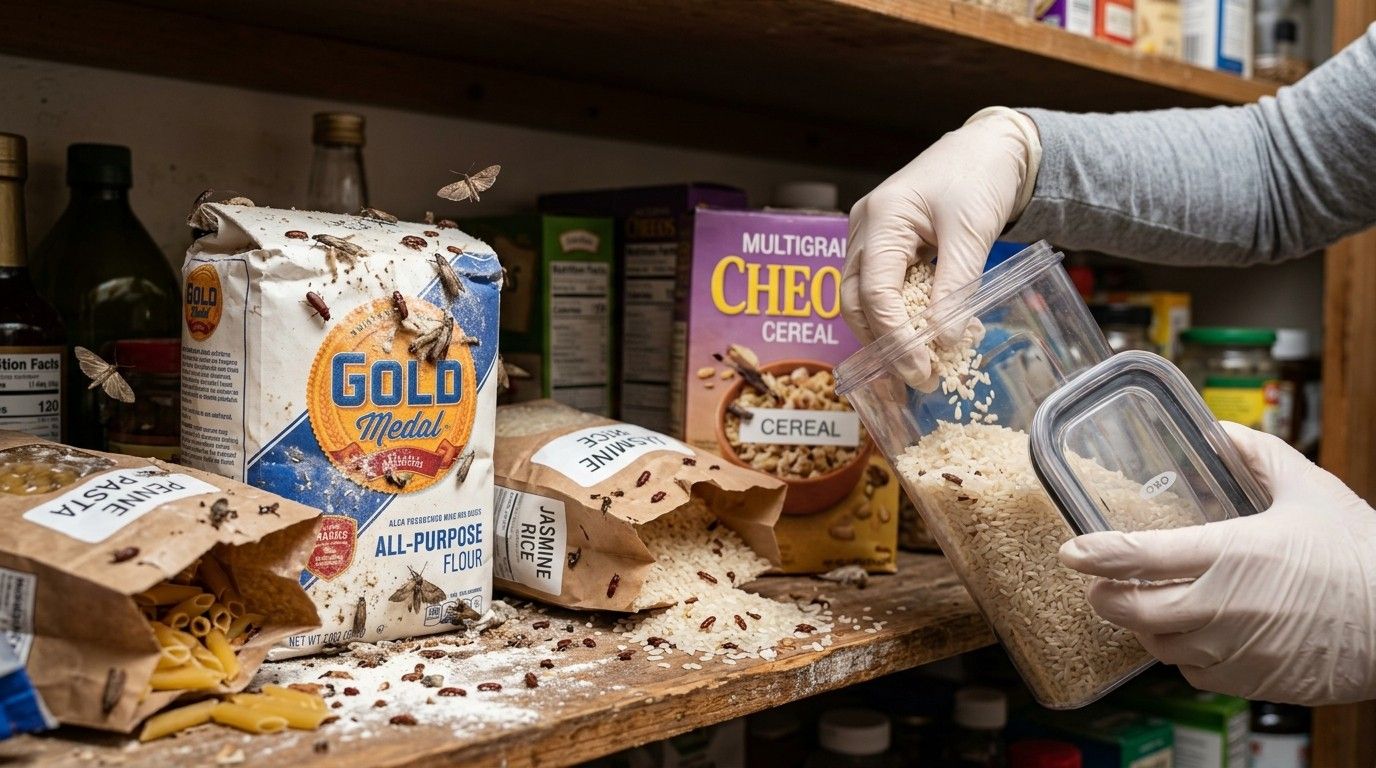
How to Get Rid of Pantry Bugs: Fast and Effective Solutions

How to Get Rid of Pantry Bugs is an essential guide for eliminating common pantry pests and protecting your food from future infestations. If you’re wondering how to get rid of pantry bugs, the key is to identify the source, discard infested items, thoroughly clean your pantry, and store dry goods in airtight containers. This guide walks you through proven removal methods, prevention tips, and long-term strategies to keep your pantry clean, safe, and bug-free.

What Are Pantry Bugs?
Pantry bugs, also called stored product pests, are small insects that infest dry food. The most common types in American homes are weevils, flour beetles, cigarette beetles, and Indian meal moths. They sneak into your home through packaged groceries or even crawl in from outside.
While these bugs usually don’t spread disease, they ruin food by laying eggs inside, creating webbing, and causing odors. Some people may have mild allergic reactions to their presence, but the biggest concern is food waste and contamination.
Many people don’t realize that pantry bugs are experts at hiding. The eggs and larvae are often too tiny to spot, especially in foods like flour or grains. It’s easy to overlook the early stages, which is why infestations sometimes go unnoticed until adult bugs appear.
Also, pantry bugs can survive in places you wouldn’t expect—like the seams of a box, or even under a shelf liner.
Spotting The Signs Of Pantry Bug Infestation
Finding pantry bugs early is key. Here’s what to look for:
- Tiny crawling insects in flour, rice, pasta, or cereal
- Small moths fluttering near food storage areas
- Webbing or clumps in grains and flour
- Tiny holes in packaging (especially cardboard or thin plastic)
- Fine powder or dust at the bottom of containers
- Unpleasant, musty smell inside stored food
If you notice any of these signs, act fast. Bugs can spread quickly through your pantry.
Sometimes, the signs are subtle. You might notice that grains or pasta are sticking together or that there’s a thin, silky thread running through flour. Don’t ignore even a small patch of webbing—this is often the first sign of an Indian meal moth infestation.
If you see a moth flying around your kitchen, check your pantry immediately, as they rarely travel far from their food source.
Another overlooked clue is a sudden increase in food dust or crumbs in containers, even if you haven’t used the food recently. Pantry bugs often grind food into powder as they feed. If you see this, especially at the bottom of a bag or jar, it’s time to inspect further.
Why Do Pantry Bugs Invade?
Pantry bugs are attracted to dry, starchy foods—especially those stored in warm, humid places. They can come home in grocery bags, hide in packaging seams, or crawl in through cracks. Sometimes, you buy a product that already has eggs inside, which hatch later.
They love:
- Flour, rice, and grains
- Pasta and cereal
- Nuts and dried fruits
- Spices, pet food, and even chocolate
Once inside, bugs multiply quickly. A single Indian meal moth can lay up to 400 eggs!
Humidity and temperature play a bigger role than most people realize. Pantry bugs thrive in warm, moist environments. If your kitchen or pantry is near a heat source (like an oven or dishwasher), or if you live in a humid climate, you’re at higher risk.
Even keeping food near a window that gets afternoon sun can raise the temperature enough to encourage bugs.
Another thing many people miss: some bugs are attracted to the glue used in cardboard packaging. This is why even unopened boxes can become infested. Keeping your pantry cool and dry, and reducing clutter, makes a big difference.
Step-by-step: How To Get Rid Of Pantry Bugs
Dealing with pantry bugs is a process, but it’s entirely doable with the right steps. Here’s a complete guide, based on real homeowner experience.
1. Empty Your Pantry Completely
Start by removing every item from your shelves. Don’t leave anything behind—not even canned goods or bottled sauces. Bugs can hide anywhere.
Place all items on a clean countertop or table. This makes inspection easier and prevents bugs from escaping back into the pantry.
Don’t rush this step. Take your time and check underneath shelf liners or baskets. If your pantry has pull-out drawers or lazy Susans, remove those as well and clean beneath them. Insects often hide in hidden corners or under storage items you rarely move.
2. Inspect All Food Carefully
Check every package, box, and bag for bugs or signs of infestation. Open each container and look for movement, webbing, or clumps. Even unopened food can be infested—bugs often chew through cardboard or plastic.
Pro tip: Use a flashlight to look deep inside bags of flour or rice.
If you find bugs, eggs, or webbing, throw the food away in a sealed bag. Don’t try to salvage it.
For foods you aren’t sure about, pour a small amount onto a white plate or baking sheet and look closely. Sometimes eggs or larvae are easier to spot this way. If in doubt, it’s always safer to discard the item.
3. Discard Infested Food Safely
Seal infested food in a heavy-duty plastic bag. Take it directly outside to your trash bin. Don’t use your kitchen garbage—bugs can crawl out and reinfest.
If you have a compost pile, do not add infested food. Most pantry bugs will survive and spread outdoors.
Another tip: Double-bag very infested items, especially flour or grains, to prevent eggs or larvae from escaping. Some people even freeze the bagged food for 24 hours before tossing it, just as an extra precaution.
4. Vacuum All Shelves And Cracks
Use a vacuum with a hose attachment to clean every shelf, wall, and corner of your pantry. Pay special attention to:
- Shelf edges and seams
- Cracks and crevices
- Screw holes and shelf supports
Vacuum the floor and the baseboards. Bugs and eggs can hide in tiny spaces.
After vacuuming, empty the vacuum bag or canister outside the house.
Don’t forget electrical outlets or vents in the pantry area—they can be entry points or hiding places. If your vacuum has a HEPA filter, use it, as it captures even the smallest eggs and dust.
5. Wash Shelves Thoroughly
Mix warm water with a few drops of dish soap. Use a clean sponge or cloth to wipe down all shelves, walls, and pantry surfaces.
For stubborn spots, add a little white vinegar. It’s safe and helps remove odors.
Dry all surfaces with a clean towel. Moisture attracts bugs, so make sure everything is completely dry before restocking.
If you use shelf liners, wash or replace them. Plastic or silicone liners can go in the dishwasher. Paper liners should be thrown away and replaced with washable types if possible.
6. Clean Containers And Storage Bins
Wash any jars, bins, or containers that held infested food. Use hot, soapy water and dry thoroughly.
If you use containers for flour, rice, or cereal, let them air out for several hours before refilling.
Pay special attention to grooves in lids or around seals—these are prime spots for tiny eggs or larvae. A toothbrush or small cleaning brush works well for getting into tight spaces.
7. Consider Freezing Or Heating Suspect Food
Sometimes you’ll find food that looks clean, but you want to be sure. To kill any hidden eggs:
- Freeze dry goods at 0°F (-18°C) for 4 days, or
- Heat in an oven at 140°F (60°C) for 30 minutes
This is especially useful for flour, grains, or nuts.
Freezing is the safest method for most foods, as it doesn’t affect taste or texture. If you’re using the oven method, stir the food halfway through heating to ensure even temperature. Let food cool before storing it again.
8. Store Food Properly
Switch from cardboard and thin plastic to airtight containers made of glass, metal, or heavy plastic. Bugs can’t chew through these.
Label each container with the date you opened it. Use older items first.
Here’s a quick comparison of common storage options:
| Container Type | Bug Resistance | Durability | Best For |
|---|---|---|---|
| Cardboard Box | Poor | Low | Cereal, Pasta (short term) |
| Thin Plastic Bag | Poor | Low | Temporary transport |
| Glass Jar (with seal) | Excellent | High | Flour, Sugar, Rice |
| Metal Tin | Excellent | High | Spices, Nuts |
| Heavy Plastic Container | Good | High | Bulk Foods |
Don’t forget about snacks, baking mixes, or specialty flours—these are often overlooked and left in original packaging. Transferring everything to airtight containers is one of the best habits you can develop.
9. Wipe Down Food Packages
Before putting food back, wipe down each package with a damp cloth. This removes any stray eggs or bugs clinging to the outside.
If you have time, use a little vinegar solution for extra cleaning power. Make sure packages are dry before returning them to the pantry.
10. Don’t Overbuy
Buy food in amounts you’ll use within a few months. The longer food sits, the higher the chance of bugs.
If you have a bulk store nearby, consider buying smaller quantities more often. Many people buy large bags to save money, but unused food is more likely to get infested. Rotate your pantry regularly—move older items to the front and use them first.
11. Monitor For New Activity
Check your pantry weekly for the next month. Look for signs of new bugs, webbing, or odors. Early action prevents another outbreak.
Keep a flashlight handy and take a few minutes to scan shelves and food containers. If you spot a single bug or moth, investigate immediately—don’t wait until you see more.
12. Use Natural Deterrents
Some people place bay leaves or cloves on shelves as a mild deterrent. These don’t kill bugs, but the strong smell can make your pantry less inviting.
Cedar blocks or sachets can also help, but always use food-safe products.
You can tuck bay leaves or cloves inside storage containers or tape them to pantry walls. Replace them every few months as the scent fades. Remember, these are only a supplement—not a replacement for good storage and cleaning.

13. Repair Entry Points
Seal cracks and gaps around your pantry with caulk or weatherstripping. Repair damaged window screens. This helps keep new bugs from entering.
Also, check for gaps around baseboards, pipe entries, and electrical outlets. Even tiny cracks can be an open door for bugs. Sealing these areas also improves your home’s energy efficiency, so it’s a win-win.
14. Consider Traps For Monitoring
Pheromone traps work for moths and some beetles. Place them on shelves to catch adult bugs. This won’t end an infestation, but it helps spot problems early.
Traps are also useful for identifying which bug you have. If you catch mostly moths, focus on cleaning and storing grains and dried fruit. If you catch beetles, look at flours, spices, and pasta.
15. Avoid Pesticides In Food Storage
Never spray chemical pesticides inside your pantry. These can contaminate food and create health risks. If you feel you need pesticides, call a licensed pest control professional.
Pesticide residue can linger on surfaces and seep into food packaging. Even products labeled as “kitchen safe” may not be safe for direct contact with food. Always put health and safety first—use mechanical cleaning and storage changes instead.
Case Study: Real Homeowner Success
Let’s look at a real example. Linda, a homeowner in Ohio, found small brown beetles in her flour and cereal. She noticed webbing in a bag of rice and a musty smell.
Here’s what she did:
- Emptied the entire pantry and checked every food item. She found infested pasta, flour, and even some spices.
- Threw away all affected food in sealed bags and took them outside.
- Vacuumed the pantry shelves, floor, and corners, then washed everything with warm soapy water and vinegar.
- Moved to airtight containers for all new dry goods.
- Added bay leaves to each shelf and bought only what her family would use in a month.
- Checked weekly for a month—no new bugs appeared.
Linda’s biggest takeaway: using airtight containers and not overbuying was key. She also learned the hard way that flour beetles can chew through thin plastic bags, so she switched to glass jars.
Linda also shared a less obvious tip: she started keeping a small notebook listing what’s in her pantry and the purchase dates. This helped her track how quickly her family used up different foods, making it easier to buy only what they needed. She also set a reminder on her phone to check her pantry every two weeks, which kept her from forgetting.
Common Pantry Bugs: What You Need To Know
Knowing which bug you’re dealing with helps you target your solution. Here’s a quick overview:
| Bug Name | What It Looks Like | Favorite Foods | Signs of Presence |
|---|---|---|---|
| Indian Meal Moth | Small, brownish moth with coppery wings | Grains, cereal, dried fruits, nuts | Webbing, flying moths, clumps in food |
| Flour Beetle | Tiny, reddish-brown beetle (1/8 inch) | Flour, cereal, pasta, spices | Movement in flour, musty smell |
| Weevil | Small, dark beetle with long “snout” | Rice, flour, beans | Holes in grains, crawling bugs |
| Cigarette Beetle | Light brown, humped back, 1/8 inch | Spices, dried herbs, pet food, tobacco | Powdery residue, bugs in spices |
A non-obvious insight: some pantry bugs are nocturnal. You might not see them during the day, but check at night with a flashlight and you may catch them moving around. Also, some bugs are attracted by lights, so keeping pantry doors closed and lights off when not in use can reduce activity.
Mistakes Homeowners Often Make
Even smart, careful homeowners slip up. Here are common mistakes:
- Leaving food in original packaging—Cardboard and thin plastic are no match for pantry bugs.
- Ignoring one infested item—One bad box can ruin your whole pantry.
- Not cleaning thoroughly—Bugs lay eggs in cracks and under shelf paper.
- Using pesticides in pantries—Most sprays aren’t food-safe.
- Refilling old containers without washing—Eggs can stay stuck to container walls.
- Not checking pet food or spices—Bugs love these, too.
- Relying only on traps—Traps catch adults but don’t fix the root problem.
- Overstocking—Large, rarely-used bags of food are prime targets.
Many people also forget to check foods stored in other places, like basements, garages, or closets. Pantry bugs aren’t limited to the kitchen. If you store emergency food or seasonal baking supplies elsewhere, check these places, too.
Another mistake: using scented shelf liners or sprays, thinking they’ll deter bugs. Most pantry pests are not bothered by these scents and may even avoid only the treated surfaces, hiding elsewhere.
Safety Precautions When Dealing With Pantry Bugs
- Wear gloves when cleaning up infested food or wiping shelves.
- If you have allergies or asthma, wear a dust mask—disturbed eggs or bug fragments can be irritating.
- Keep children and pets out of the pantry during cleaning.
- Don’t mix vinegar or cleaning products with bleach.
- Never use bug sprays or foggers in food storage areas unless directed by a professional.
If you feel overwhelmed, or the bugs keep coming back, it’s time to call a licensed pest control professional. They have safe, targeted options and can help prevent future outbreaks.
For extra safety, keep a window open or run a fan during cleaning to reduce dust and odors. Wash your hands thoroughly after handling infested food or cleaning supplies.
How To Prevent Pantry Bugs In The Future
The best fix is prevention. Here’s how to keep pantry bugs away for good:
Store Food Properly
Use airtight containers for all dry goods. Glass, metal, or heavy plastic are best. Bugs can chew through cardboard and thin plastic.
Buy Smart
Purchase only what you’ll use within 1–3 months. Rotate your pantry—use older food first.
A little-known tip: If you buy in bulk, divide food into smaller, airtight containers as soon as you get home. This way, if one container gets infested, the rest stay safe.
Inspect Groceries
Check for damage or holes in packaging before buying. Shake packages gently and look for dust or webbing.
Also, ask your store how often they rotate stock or inspect for pests. Stores with high turnover and good cleanliness tend to have fewer problems.
Clean Regularly
Wipe pantry shelves every month. Vacuum cracks and corners. Wash containers between refills.
If you have shelving units that are hard to move, use a handheld vacuum or small brush to reach the back and corners.
Use Deterrents
Bay leaves, cloves, or food-safe cedar sachets can help, but don’t rely on them alone.
You can also use food-grade diatomaceous earth sprinkled lightly on pantry shelves. It’s safe and can help kill crawling insects, but be careful not to get it in your food.
Monitor
Check for signs of bugs every few weeks. Early detection is key.
Keep sticky traps or pheromone traps in the pantry, even after an infestation is gone. They’re cheap, last for months, and give you a clear warning if bugs return.
Seal Entry Points
Caulk cracks, repair screens, and keep food storage areas dry and cool.
A dehumidifier in a damp kitchen or basement can make your home less attractive to bugs.
Here’s a quick summary of prevention methods:
| Prevention Method | Effectiveness | Ease | Notes |
|---|---|---|---|
| Airtight Containers | High | Easy | Best for all dry foods |
| Regular Cleaning | High | Moderate | Monthly is best |
| Buying Small Amounts | Medium | Easy | Prevents old stock |
| Natural Deterrents | Low-Medium | Easy | Supplement only |
| Monitoring | Medium | Easy | Early detection |
When To Call A Professional
Most pantry bug problems can be handled with DIY cleaning and prevention. But sometimes, you need expert help:
- You’ve cleaned repeatedly, but bugs return within weeks.
- The infestation spreads beyond the pantry (closets, basement, etc. ).
- You find cockroaches, large beetles, or other pests alongside pantry bugs.
- You have allergies, asthma, or immune issues.
Professional pest control can:
- Identify the exact bug species
- Use food-safe treatments
- Seal entry points and offer advice
Look for licensed, insured pest control companies with good reviews. Don’t let embarrassment keep you from getting help—pantry bugs are common, and pros see them all the time.
For more details on pantry pest identification, visit the University of Kentucky Entomology page.

Frequently Asked Questions
How Do Pantry Bugs Get Into Sealed Packages?
Pantry bugs often chew through cardboard or thin plastic, or they may already be inside food when you buy it. Some eggs are so tiny, they aren’t visible to the naked eye.
Also, packaging machines at factories sometimes introduce bugs or eggs if the facility isn’t well maintained. Always inspect food, even if the packaging looks perfect.
Are Pantry Bugs Harmful If Eaten By Accident?
Most pantry bugs are not dangerous if eaten in small amounts, but they make food unappetizing and can cause mild digestive upset. People with allergies may react to bug fragments.
If you notice allergic reactions like itchy skin, sneezing, or stomach upset after eating dry foods, pantry bugs might be the hidden cause.
Can I Use Pesticides Or Bug Bombs In My Pantry?
No—never use chemical sprays or bombs in food storage areas. These can contaminate food and are not safe for kitchens. Always use cleaning and airtight storage as your first defense.
Why Do Pantry Bugs Keep Coming Back Even After Cleaning?
If you miss just one infested item, or don’t clean cracks and containers thoroughly, bugs can return. They can also enter through new groceries or cracks in the pantry.
Another cause is failing to clean other storage areas (like pet food bins or emergency food stashes). Bugs can migrate from these places back into your main pantry.
What Should I Do With Unopened But Possibly Infested Food?
You can freeze it for 4 days or heat it in the oven as described above. If you see obvious bugs, webbing, or clumps, it’s safest to throw it away.
Dealing with pantry bugs is a hassle, but it’s not hopeless. With careful cleaning, smart storage, and a little vigilance, you can get rid of them—and keep your pantry safe for good. Remember, even the cleanest homes get pantry bugs sometimes.
With these proven steps, you’ll be ready to tackle the problem confidently and prevent future infestations.