Your Trusted Source for Home Fixes & Guides

Fix Low Water Pressure Chelmsford: Quick Solutions That Work

Fix Low Water Pressure Chelmsford is a common concern for homeowners and businesses dealing with weak water flow. If you’re looking to fix low water pressure Chelmsford, identifying the underlying cause—such as plumbing issues, pressure regulator problems, leaks, or supply restrictions—is the first step toward restoring normal water pressure. This guide covers practical troubleshooting tips, effective repair solutions, and when to contact a local plumbing professional for lasting results.
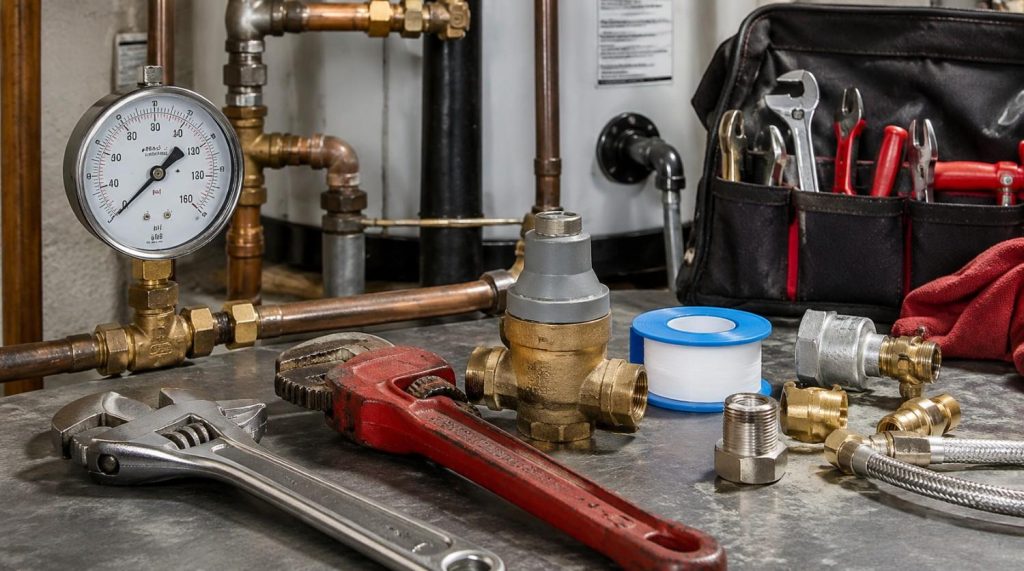
Understanding why water pressure drops and knowing how to fix it can save you money, stress, and time. You don’t need to be a professional plumber to solve some of the most common problems—many fixes are simple and safe for homeowners. However, sometimes the issue is bigger and needs expert help. In this guide, I’ll walk you through everything you need to know about fixing low water pressure in Chelmsford, including practical tips, safety advice, case studies, and when to call a licensed professional.
What Is Water Pressure And Why Does It Matter?
Water pressure is the force that pushes water through your pipes, faucets, and appliances. It’s measured in pounds per square inch (PSI). Most homes in Chelmsford should have a pressure between 40 and 60 PSI.
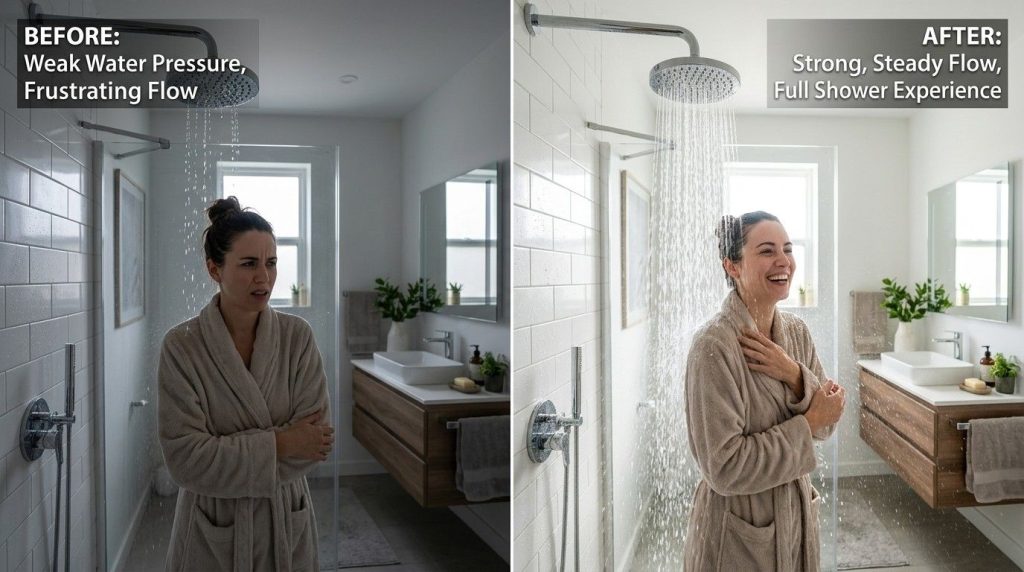
If your water pressure is too low, you’ll notice slow-filling sinks, weak showers, and appliances that don’t work as well. Too high, and you risk damaging your plumbing.
Strong water pressure is not just about comfort—it affects everything from your daily routines to your home’s health. For example, low pressure can make it difficult for dishwashers and washing machines to clean efficiently. You might notice soap left behind on dishes or laundry, or have trouble rinsing out shampoo.
In some cases, heating systems like combi boilers also need a certain minimum pressure to function correctly. If your boiler regularly loses pressure or fails to ignite, this could be a sign of an underlying water pressure issue.
Why Chelmsford Homes Often Experience Low Pressure
Chelmsford is a mix of older homes and new builds. Older plumbing, small pipes, and aging infrastructure can all contribute to low pressure. In some neighborhoods, water supply comes from a shared main line, which can drop pressure during peak hours.
Another factor is the local landscape. Some parts of Chelmsford are slightly higher in elevation, and homes on hills or at the end of long supply lines can experience more pressure loss. Water companies must balance the needs of many customers, and sometimes the pressure is set lower to prevent pipe bursts in weaker parts of the system.
In new housing developments, water pressure can drop unexpectedly when many houses use water at the same time—for example, early morning or after work. Construction projects or maintenance work in your area may also cause short-term drops in pressure.
Common Causes Of Low Water Pressure
Let’s break down the most frequent reasons you’ll encounter weak water flow in Chelmsford.
- Clogged pipes: Hard water and sediment buildup can narrow your pipes, reducing flow over time. This is especially true in older properties where pipes have not been replaced for decades.
- Leaky pipes: Even a small leak can lower pressure throughout your home. Some leaks are hidden under floors or behind walls, making them hard to spot until pressure drops or you see damp patches.
- Faulty pressure regulator: This device controls how much pressure enters your home. If it fails, your whole house can be affected.
- Old plumbing: Outdated pipes may not handle modern water demands. For example, galvanized steel pipes rust and clog easily, while modern copper or PEX pipes stay clear for longer.
- Shared supply lines: Living in a multi-unit building or on a shared street supply can impact pressure. If your neighbor starts their washing machine, you may notice your shower weakens.
- Municipal issues: Sometimes, the city’s water supply system is the culprit. Roadworks, water main repairs, or high demand can all lower pressure.
- Valves not fully open: If shutoff valves are partially closed, water flow slows down. This often happens after DIY repairs or renovations.
- Blocked fixtures: Aerators and showerheads often clog with mineral deposits, especially if you have hard water.
A less obvious cause is pressure balancing in newer homes, where devices automatically adjust pressure to prevent damage. Sometimes these can malfunction or be incorrectly set, causing low pressure even if everything else is fine.
Case Study: The Johnson Family
The Johnsons, living in a 1950s ranch home in Chelmsford, noticed their shower was barely a trickle. After checking their valves and cleaning the showerhead, nothing improved. A plumber found their main supply pipe was corroded and partially blocked by mineral buildup.
Replacing the pipe restored pressure to all fixtures. This is a common issue in older homes, especially where pipes are made from galvanized steel.
In another example, a family in a newer estate experienced pressure drops every evening. The culprit was a shared main line overloaded during peak hours. Their water company adjusted the pressure settings and upgraded part of the supply line, which fixed the issue for the whole street.
This shows how both old and new homes can face unique challenges with water pressure.
Diagnosing Low Water Pressure: Step-by-step
Before you spend money or call a plumber, you can do some simple checks yourself.
Step 1: Test Your Water Pressure
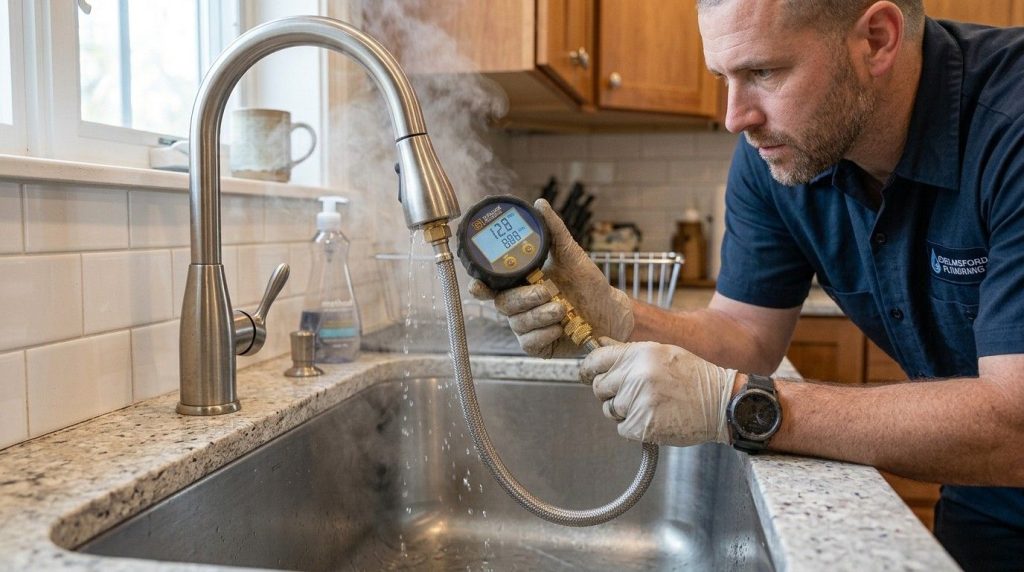
Buy a water pressure gauge from a hardware store. Attach it to an outside tap and turn the water on fully. If it reads below 40 PSI, your pressure is low.
For a more accurate reading, test when no other water is being used in the house. Write down the result so you can compare after any repairs. If you notice big changes in pressure at different times of the day, this can signal issues with the municipal supply or peak usage problems.
Step 2: Check All Fixtures
Go through your home and test all sinks, showers, and appliances. Is the problem everywhere, or just in one room? If only one fixture is affected, the issue may be local.
For example, if only the kitchen tap is slow but everything else is normal, the problem might be a clogged aerator or a local valve. If every tap is weak, the issue is likely in the main supply or pressure regulator.
Step 3: Inspect Shutoff Valves
Main shutoff valves and local valves under sinks can sometimes be partially closed. Make sure all valves are fully open.
It’s common for valves to be left partially closed after renovations or repairs. Double-check all accessible valves, including outdoor ones, as they can be closed accidentally during garden work.
Step 4: Look For Leaks
Check for damp spots, water stains, or puddles under sinks and in the basement. Even small leaks can lower pressure.
Also, listen for unusual sounds—hissing or dripping behind walls can mean a hidden leak. Don’t forget to check outside taps and hoses, especially during spring after freezing weather, as frost damage can cause leaks.
Step 5: Remove And Clean Aerators
Unscrew the aerator from your faucet. If it’s clogged with debris or scale, clean it with vinegar and a toothbrush.
While cleaning, inspect for black grit or sand, which can signal pipe corrosion or issues with the main supply. If you find a lot of debris, you may need to flush pipes or call a plumber.
Step 6: Check The Pressure Regulator
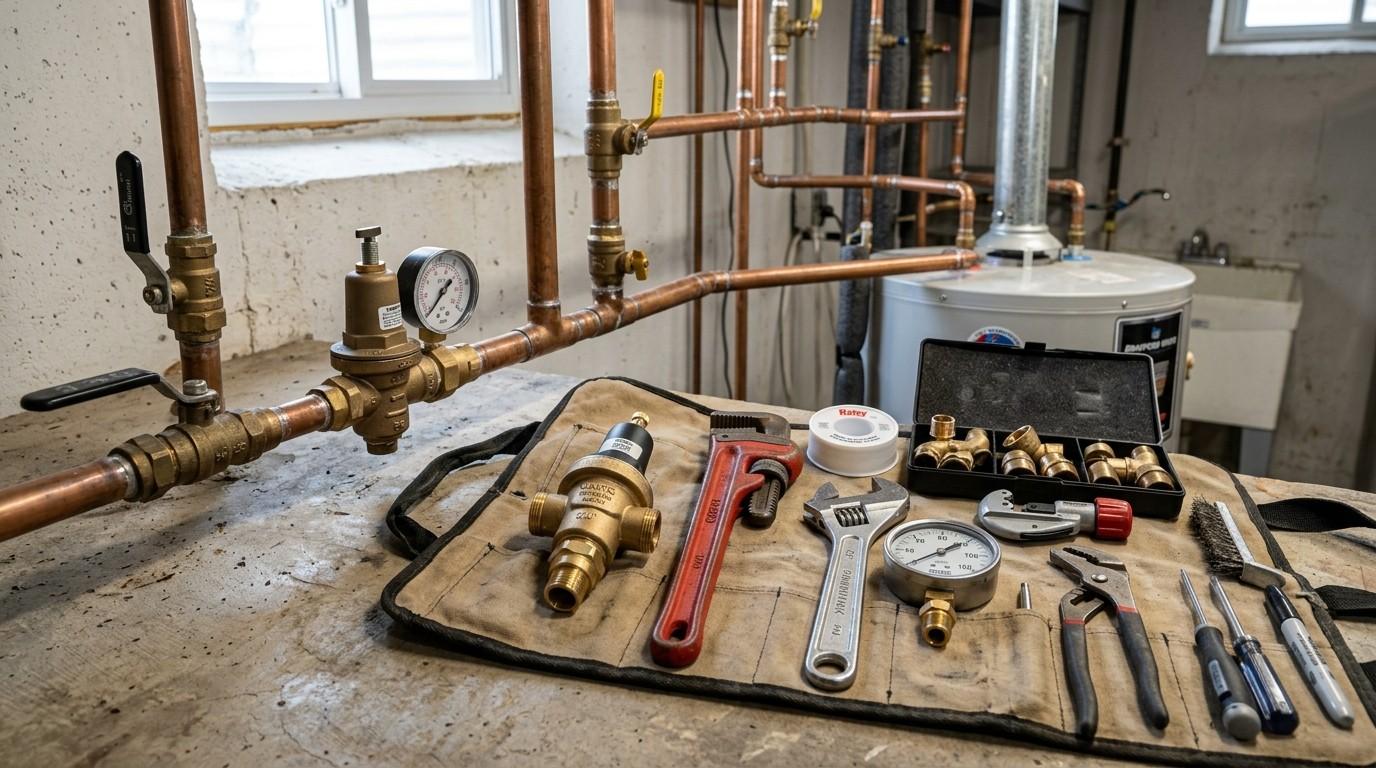
Many homes have a pressure-reducing valve near the main water supply. If it’s faulty or set too low, your pressure will suffer.
Check the regulator for signs of corrosion, leaks, or tampering. Some regulators have an adjustment screw—turning it clockwise usually increases pressure. Only make small adjustments and retest your pressure gauge.
Step 7: Ask Your Neighbors
If your entire neighborhood has low pressure, it’s probably a municipal issue. Call your water supplier to check for ongoing work or issues.
If neighbors have normal pressure, the problem is likely inside your home. But if everyone is affected, it’s best to wait for the city to fix the problem or to report it for faster response.
Diy Fixes For Common Causes
Many low water pressure problems can be solved quickly and safely by homeowners. Here’s how:
Clean Blocked Aerators And Showerheads
Mineral buildup is common in Chelmsford due to hard water. Soaking aerators or showerheads in vinegar for an hour often restores flow.
For stubborn buildup, use a toothpick or small brush to clear holes. Rinse well before reinstalling. If buildup returns quickly, consider installing a water softener.
Open Valves Fully
If you recently had plumbing work or repairs, check all shutoff valves. Sometimes plumbers forget to fully open them after finishing a job.
Even a quarter-turn can make a noticeable difference. Make it a habit to check valves every few months, especially if you notice any change in water flow.
Replace Old Faucets
Older faucets can clog and reduce flow. Newer models are designed to maintain good pressure, even with water-saving features.
Choose a faucet with a removable aerator for easier cleaning. If your faucet is hard to turn or leaks from the base, it’s time to upgrade.
Fix Leaky Pipes
If you find a small leak, you can use pipe repair tape or a clamp to stop it temporarily. For larger leaks, call a professional.
Remember, temporary fixes are just that—temporary. Always plan for a permanent repair to prevent water damage and mold.
Adjust Or Replace The Pressure Regulator
You can adjust the regulator using a wrench. If it’s broken, you’ll need a new one. Only do this if you’re comfortable working with plumbing—otherwise, hire a plumber.
Make small adjustments and check pressure after each turn. Do not set pressure above 80 PSI, as this can damage appliances and pipes.
Flush Your Pipes
Turn off your main water supply, open all faucets, then turn the supply back on. This flushes out debris and can improve pressure.
Start with the lowest tap in your home (like a basement sink) and work upwards. Flushing is especially useful after pipe repairs or if you notice rust or sediment in the water.
Extra Tip: Check Appliance Filters
Washing machines, dishwashers, and some fridges have water filters that can clog and reduce flow. Check and clean or replace these filters regularly according to the manufacturer’s instructions.
When To Call A Licensed Professional
Some problems are too risky or complicated for DIY. Here’s when you should call an expert:
- Major leaks: Large leaks can cause structural damage and mold.
- Pipe replacement: Upgrading old pipes is a big job.
- Pressure regulator issues: If you’re unsure, let a pro handle it.
- Municipal supply problems: Only your water supplier can fix these.
- Backflow issues: This can contaminate your water and needs immediate attention.
Safety tip: Always turn off the main water supply before starting repairs. Wear gloves and goggles when working with pipes.
Professional plumbers have specialized tools like pipe cameras, leak detectors, and pressure testing kits that can find hidden problems quickly. In some cases, they can also deal with permits and coordinate with the water company if main supply work is needed.
Comparing Diy Vs. Professional Solutions
Let’s look at the differences between what you can do yourself and what a pro offers.
| DIY Solution | Typical Cost | Difficulty | Effectiveness |
|---|---|---|---|
| Clean aerators | $0–$10 | Easy | High (for local clogs) |
| Open valves | $0 | Very Easy | High (if valve was closed) |
| Replace faucet | $50–$150 | Moderate | High |
| Adjust regulator | $0 | Moderate | Medium–High |
| Pipe replacement | $500–$2,000 | Hard | Very High |
| Leak repair | $0–$50 | Easy–Moderate | Medium |
DIY is great for smaller issues and can save money, but professional solutions are necessary for complex or hidden problems. One non-obvious benefit of hiring a plumber is warranty—most reputable plumbers guarantee their work, so you have peace of mind.
How Chelmsford’s Water Quality Affects Pressure
Chelmsford is known for hard water—meaning water with lots of minerals like calcium and magnesium. Hard water can build up in pipes and fixtures, lowering pressure over time.
Statistics
- Chelmsford water hardness: Average 230 ppm (parts per million)
- Homes with old galvanized pipes: Over 35% in older neighborhoods
- Average pressure complaints: Chelmsford receives 250+ reports per year about low water pressure
Practical Tips
Install a water softener if your home has hard water. This reduces mineral buildup and keeps pipes clear. Regularly clean faucets and showerheads to avoid clogs.
Another tip: if you see white or green deposits on taps or in kettles, that’s a clear sign of hard water. These deposits (limescale) build up inside pipes too, even if you can’t see them. A water softener makes cleaning easier and extends the life of your appliances.
It’s also wise to check your boiler system annually. Limescale can reduce boiler efficiency and even cause breakdowns, so regular descaling is important.
Upgrading Your Plumbing For Better Pressure
If you have an older home, you may need to upgrade your plumbing. Here are the main options:
- Replace galvanized pipes with copper or PEX: Galvanized pipes corrode and clog easily. Copper and PEX are more durable and keep water flowing smoothly.
- Install a booster pump: This device increases water pressure for the whole house.
- Add a pressure tank: Helps keep pressure steady during peak use.
- Upgrade fixtures: Modern faucets and showerheads deliver good flow even with lower pressure.
Upgrading may seem costly, but it is a long-term investment. New pipes reduce leak risk and improve water quality. Modern fixtures save water without sacrificing performance. If you’re planning to renovate or extend your home, consider upgrading pipes at the same time to save on labor costs.
Comparison Of Pipe Materials
Here’s a quick look at how common pipe materials perform in Chelmsford homes.
| Pipe Material | Lifespan | Pressure Performance | Corrosion Risk | Cost (per foot) |
|---|---|---|---|---|
| Galvanized Steel | 40–50 years | Low (after aging) | High | $2–$5 |
| Copper | 50+ years | High | Low | $3–$8 |
| PEX | 40+ years | High | Low | $1–$3 |
PEX is flexible and easier to install in tight spaces, making it a popular choice for retrofits. Copper is more expensive but has a long track record of reliability and resists bacteria.
Preventing Low Water Pressure In Chelmsford
Prevention is always easier than repair. Here’s how to keep your pressure strong:
- Regular maintenance: Clean faucets, showerheads, and aerators every 6 months.
- Check for leaks: Inspect your plumbing twice a year.
- Use water softeners: Prevent mineral buildup.
- Upgrade old pipes: Don’t wait for a major problem.
- Install pressure regulators: Protect your plumbing from both low and high pressure.
- Monitor water usage: Spread out heavy usage (laundry, showering) to avoid peak demand.
One tip many homeowners miss: keep records of any pressure drops or repairs. This helps spot patterns and makes it easier to explain the problem if you need to call a plumber. It’s also helpful to learn where your main shutoff valve is before an emergency happens.
Common Mistakes Homeowners Make
Many people try to fix low water pressure but make simple mistakes:
- Ignoring leaks: Even small leaks can become big problems.
- Using chemicals to clear pipes: Harsh drain cleaners can damage pipes and don’t fix pressure issues.
- Not checking valves: Sometimes, the solution is as simple as turning a valve.
- Skipping regular cleaning: Neglecting fixtures causes buildup.
- Trying complicated repairs alone: Replacing pipes or regulators without experience risks damage and injury.
Safety Precautions
- Always turn off the main water supply before repairs.
- Wear gloves and eye protection.
- Don’t use electrical tools near water.
- If you’re not sure, call a plumber.
Another non-obvious mistake: not checking your water meter. A fast-moving water meter when all taps are off usually means a hidden leak. Catching this early prevents bigger problems.
Case Study: Chelmsford Apartment Complex
A Chelmsford apartment building had complaints from tenants about weak showers. Management checked the main supply and found nothing wrong. After hiring a plumber, they discovered the pressure regulator was set too low and several valves were partially closed. Adjusting the regulator and opening the valves improved pressure for all units.
The fix was fast, safe, and didn’t require major upgrades.
This case shows the value of a systematic approach—checking the simplest things first can solve the problem quickly and at low cost.
—
Municipal Water Supply Issues In Chelmsford
Sometimes, the problem is outside your home. Chelmsford’s municipal supply can drop during peak hours, repairs, or water main breaks.
What To Do
- Check with your supplier for outages or maintenance.
- If the issue is city-wide, wait for repairs.
- Report ongoing problems to the city.
If you see discolored water or sudden drops in pressure, report it right away. Sometimes, trapped air or sediment after repairs can cause temporary issues. Running your taps for a few minutes can help clear this.
How To Boost Pressure Safely
If DIY fixes don’t work, consider these safe options:
Install A Booster Pump
A booster pump increases pressure for the whole house. It’s best installed by a professional.
Choose a pump designed for domestic use. Some models have built-in sensors to adjust power based on demand, which saves energy and reduces noise.
Add A Pressure Tank
Pressure tanks keep water flowing during heavy use. This is useful for homes with multiple bathrooms or large families.
A tank stores pressurized water, so you get a steady flow even if everyone showers at once. Tanks need regular checks to ensure the air bladder inside is working correctly.
Upgrade To Larger Pipes
Small pipes restrict flow. Upgrading to larger pipes can make a huge difference, especially in older homes.
This is a bigger job but can solve chronic pressure issues once and for all. If your home still has narrow lead or iron pipes, replacement is also better for health and water quality.
Comparison: Booster Pump Vs. Pressure Tank
Here’s how these two solutions stack up.
| Solution | Best For | Installation Cost | Maintenance | Pressure Improvement |
|---|---|---|---|---|
| Booster Pump | Whole house | $500–$1,200 | Annual check | High |
| Pressure Tank | Heavy usage homes | $300–$800 | Minimal | Medium–High |
Booster pumps are more effective for homes with consistently low pressure. Pressure tanks are ideal for homes that only struggle during peak times or when using multiple fixtures.
Professional Plumbing Services In Chelmsford
Chelmsford has many licensed plumbers who specialize in water pressure issues. When choosing a professional:
- Check reviews and ratings.
- Ask for credentials.
- Get a written estimate.
- Make sure they offer a warranty.
A good plumber will diagnose the problem thoroughly, explain your options, and give you a fair price. Don’t be afraid to ask questions—an honest pro will help you understand what’s happening and why a repair is needed.
For more information about water pressure standards, visit the EPA Drinking Water Standards.
Frequently Asked Questions
What Is The Ideal Water Pressure For My Chelmsford Home?
The best range is 40–60 PSI. Too low and appliances won’t work well; too high can damage pipes.
How Often Should I Clean My Faucets And Showerheads?
Clean every six months to prevent mineral buildup and clogs.
Can I Fix Low Water Pressure Myself?
Yes, many issues are DIY-friendly, like cleaning aerators, checking valves, or adjusting regulators. But bigger jobs, like pipe replacement, need a pro.
Is Hard Water Causing My Low Pressure?
Hard water is common in Chelmsford and leads to mineral buildup. Install a water softener and clean fixtures regularly.
When Should I Call A Plumber?
Call a plumber for major leaks, pipe replacement, regulator issues, or if you’re unsure about the cause.
Fixing low water pressure in Chelmsford is often easier than most people think. Start with simple checks, follow safe DIY steps, and call a professional when needed. With regular maintenance and smart upgrades, you can enjoy strong, reliable water flow for years to come.