Your Trusted Source for Home Fixes & Guides

How to Fix Structural Cracks in Walls: Expert Repair Guide

How to Fix Structural Cracks in Walls is an important topic for homeowners concerned about their property’s safety and value. If you’ve noticed large or growing cracks, learning how to fix structural cracks in walls can help you identify the cause, choose the right repair method, and know when it’s time to call a professional. This guide covers the essential steps to repair structural wall cracks safely and effectively.

Understanding Structural Cracks
Not all wall cracks are equal. Some are simply cosmetic, caused by paint, plaster, or drywall shifting. Others—structural cracks—signal more serious problems. These can affect your home’s foundation, walls, or framing. Recognizing the difference is essential. Not every crack will cause disaster, but understanding their meaning helps you act with confidence.
Types Of Cracks
- Hairline cracks: Thin, often less than 1/16 inch. Usually appear in drywall or plaster. These are common in new homes as materials settle, and often show up after painting or a change in humidity.
- Vertical cracks: Can be from settling. If they run floor to ceiling, check for movement. Sometimes these appear near windows or doors where framing is weaker.
- Diagonal cracks: Often caused by foundation shifts or water damage. These can start small but may become wider over time, especially if the soil under your home is unstable.
- Horizontal cracks: The most concerning. Can mean structural failure, especially in basement or exterior walls. They often signal that soil is pushing inwards due to water pressure.
- Stair-step cracks: Usually seen in brick or block walls. They follow the mortar lines. These cracks can grow if foundation movement continues and may also let in water or pests.
What Causes Structural Cracks?
- Foundation movement: Settling, heaving, or sinking can stress walls. Even small shifts in the soil under your house can lead to cracks above.
- Water damage: Poor drainage, leaks, or flooding can weaken materials. Water not only erodes soil but can also break down the mortar or concrete itself.
- Thermal expansion: Temperature swings make materials expand and contract. Repeated cycles can slowly widen cracks, especially in climates with hot summers and cold winters.
- Poor construction: Weak framing, improper materials, or bad workmanship. Cracks may appear early in the life of a house if it was not built correctly.
- Tree roots: Roots from large trees can push against foundations. Trees planted too close to your house may cause cracks years after they mature.
Non-obvious Causes
Sometimes, cracks are linked to changes you don’t notice, like nearby construction, heavy traffic vibrations, or even an unusually dry or wet season. For example, during droughts, soil shrinks and can pull away from your foundation.
When Should You Worry?
If a crack is wider than 1/4 inch, growing quickly, or you notice doors/windows sticking, it’s time to investigate further. Water stains, bulging walls, or cracks that keep returning are signs of deeper issues. Watch for sudden changes—cracks that appear overnight or after a big storm can mean urgent problems.
Also, if cracks have a rusty color, it may mean there’s steel rebar inside the wall that is corroding.
Inspecting Cracks: A Homeowner’s Checklist
Before grabbing tools, take time to inspect. Here’s how:
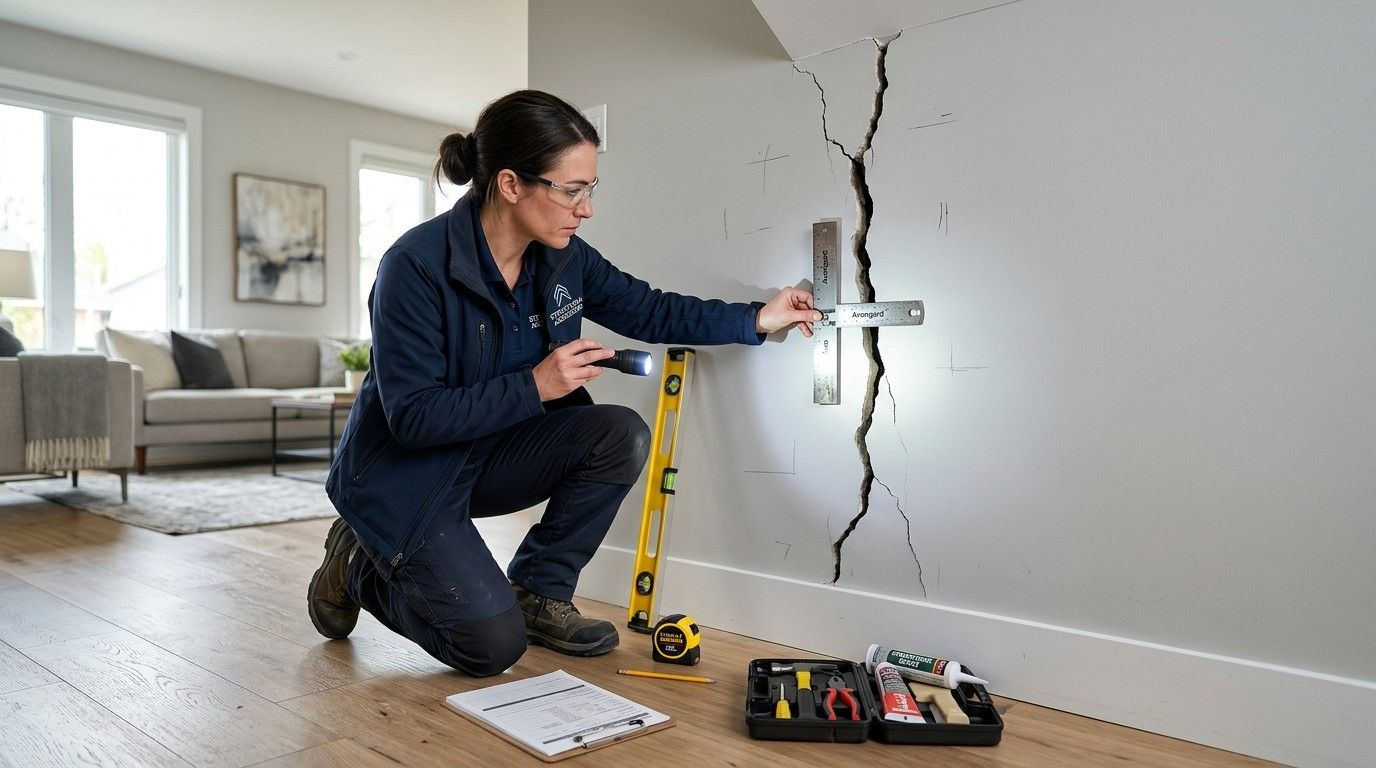
- Measure the crack: Use a ruler or caliper. Note width and length. This helps you track changes over time.
- Mark the ends: Use a pencil to mark crack edges. Check after a month—has it grown? If so, take new photos for comparison.
- Look for patterns: Is it just one crack or several? Are they in the same area? Multiple cracks can mean widespread movement, not just a local problem.
- Check other signs: Look for uneven floors, sticking doors, water damage, or exterior movement. A marble or ball rolling across the floor can reveal subtle slopes.
- Record findings: Take photos and jot notes. This helps if you need to call a professional. Keep all information together for easy access.
Additional Tips
Use a flashlight to examine cracks closely, especially in dark basements or corners. Sometimes cracks are hidden behind furniture or curtains, so check all walls carefully.
Common Mistakes
- Ignoring cracks: Hoping they’ll go away rarely works. Problems often become more expensive the longer they’re left alone.
- Assuming all cracks are the same: Structural cracks need special attention. Cosmetic cracks may not need urgent repair.
- Covering up without fixing: Cosmetic repairs don’t address root causes. Paint or putty hides problems but doesn’t stop movement.
Safety Precautions Before Repair
Working with structural cracks means dealing with dust, debris, and sometimes unstable surfaces. Always:
- Wear gloves and eye protection: Dust and sharp tools can cause injury. Even small fragments can irritate skin or eyes.
- Keep area ventilated: Especially if using adhesives or fillers. Many repair materials have strong fumes.
- Check for electrical/plumbing: Never cut into a wall without knowing what’s behind it. Use a stud finder or ask a pro if unsure.
- Avoid heavy lifting alone: If repairs involve moving blocks or digging, get help. Walls and foundation pieces are heavier than they look.
- Stop if you see mold or asbestos: Call a professional. DIY is dangerous in these cases.
Extra Advice
Always keep a first-aid kit nearby. If you’re working in a basement, let someone know you’ll be there in case you need help.
Diy Repair Vs. Professional Help
Many cracks can be fixed by homeowners, but not all. Here’s a comparison to help decide.
| Crack Type | DIY Repair | Professional Needed |
|---|---|---|
| Hairline, minor vertical | Yes | No |
| Diagonal, stair-step | Maybe | Yes, if wider than 1/4 inch |
| Horizontal, wide cracks | No | Yes |
| Cracks with water/mold | No | Yes |
Always call a licensed structural engineer if you see horizontal cracks, cracks over 1/2 inch, or repeated movement. For most vertical or hairline cracks, DIY repair is safe.
What Beginners Miss
Many people try to fill cracks without understanding the cause. If you skip the inspection step, you may waste time and money redoing repairs. Professionals have special tools—like laser levels or moisture meters—to diagnose problems that aren’t visible.
Materials And Tools You’ll Need
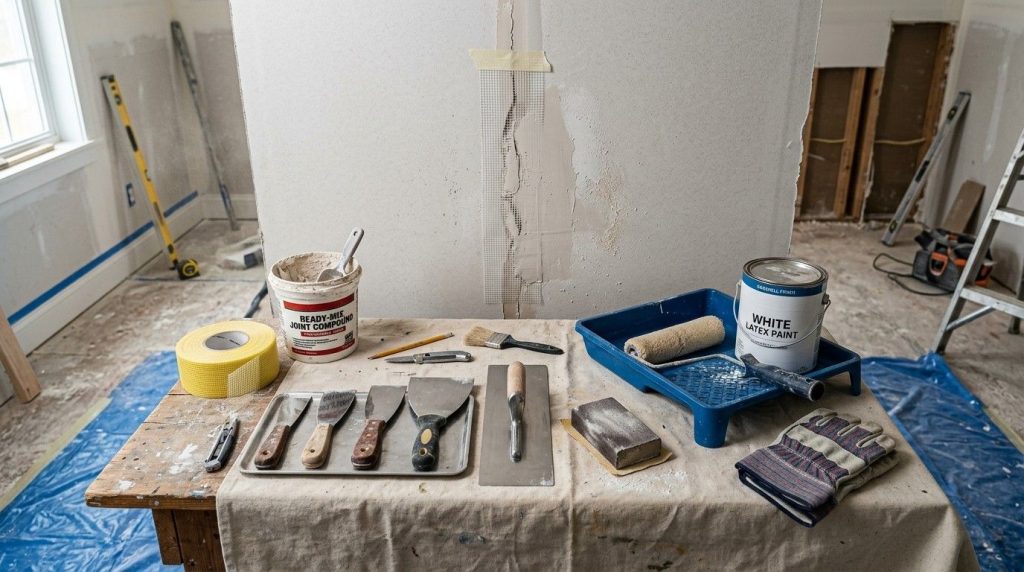
Gather everything before starting. Here’s a typical list:
- Crack filler: Epoxy, polyurethane, or hydraulic cement for structural cracks. Use joint compound for drywall.
- Putty knife or trowel
- Wire brush
- Vacuum or dust brush
- Sandpaper (medium and fine)
- Primer and paint
- Caulk (for small gaps)
- Safety gear: Gloves, goggles, mask.
For bigger repairs:
- Masonry tools: If working with brick or block.
- Concrete patch kits
- Injection system: For deep foundation cracks.
Extra Tips
Have a drop cloth or plastic sheet ready to protect floors. Old towels can catch spills. Always read instructions for repair products—some have short working times.
Step-by-step Guide: Fixing Structural Cracks
Let’s walk through repairs for different wall types. The process varies based on material and crack size.
Fixing Structural Cracks In Drywall
Most drywall cracks are harmless, but if you see movement or recurring cracks, start here.
- Clean the crack: Use a brush to remove dust. Even a small amount of dust can stop filler from sticking.
- Widen slightly: Use a utility knife to open the crack. This helps filler bond. Don’t make it too wide—just enough for the filler to grip.
- Apply filler: Use joint compound. Press firmly with a putty knife. Smooth out extra for less sanding later.
- Tape the crack: Apply fiberglass mesh tape over the filler. This adds strength and prevents the crack from reappearing.
- Add another layer: Cover tape with more compound. Feather edges for smooth finish. Let each coat dry before adding another.
- Sand: Once dry, sand lightly for a flush surface. Use a dust mask for this step.
- Prime and paint: Finish to match wall color.
Tip: If cracks keep coming back, check for underlying movement. You may need a pro.
Deeper Fix
For cracks near windows or doors, consider reinforcing with corner beads or extra mesh tape. These areas are more likely to move due to normal house settling.
Repairing Structural Cracks In Masonry Walls
Brick or block cracks need tougher materials.
- Clean thoroughly: Use wire brush and vacuum. Remove all loose mortar or debris.
- Widen crack: Chisel out loose mortar for stair-step cracks. This gives new material space to grip.
- Apply masonry filler: Use hydraulic cement or masonry epoxy. Press in firmly, filling the crack completely.
- Inject deep cracks: For foundation cracks, use epoxy injection kits. Follow manufacturer instructions carefully.
- Smooth and finish: Trowel for a flush finish. Allow to cure as per instructions.
- Paint or seal: Protect area from moisture.
Tip: Stair-step cracks often mean foundation movement. Watch for widening.
Advanced Advice
After repair, run a finger along the crack. If you feel cool air, seal again—air leaks can let in moisture and pests.
Case Study: Real Homeowner Experience
In 2026, a homeowner in Houston noticed a diagonal crack running from the corner of their living room window down to the floor. Measuring nearly 3/8 inch wide, it worried them. After marking the ends and monitoring for a month, they saw the crack grow by 1/8 inch. Consulting a structural engineer confirmed soil movement under the slab foundation. The fix involved:
- Epoxy injection to fill the crack and bond the wall.
- Foundation underpinning: Professionals installed piers to stabilize the slab.
- Cosmetic repair: After stabilization, the crack was patched and repainted.
The homeowner learned a key lesson: Structural cracks can signal bigger problems. Acting quickly prevented further damage and costlier repairs.
Lesson For Others
This homeowner’s experience shows why documenting changes and calling a pro early can save thousands. Often, the most expensive mistake is waiting too long.
Addressing Foundation Cracks
Structural cracks in basement or foundation walls are serious. Most homeowners shouldn’t attempt full repairs. If you must patch a minor vertical crack:
- Clean area: Remove dirt and debris. A wire brush is helpful.
- Widen crack: Use a chisel to create a “V” shape. This helps new material lock in.
- Apply hydraulic cement: Press firmly and smooth. This sets quickly and expands as it cures.
- Seal with epoxy: For best strength, use a two-part epoxy. Let cure completely.
- Monitor regularly: Watch for growth.
If cracks are horizontal or leaking, call a foundation specialist. DIY fixes won’t solve underlying issues.
Non-obvious Tip
A small foundation crack can let in a lot of water during heavy rain. Even if you seal it, check gutters and drainage outside to stop water from pooling.
Preventing Structural Cracks
Repair is only part of the solution. Prevention keeps your home safe.
Essential Prevention Tips
- Maintain gutters and drainage: Water is the enemy of foundations. Clean gutters twice a year.
- Grade soil away from house: Prevent pooling near foundation. Even one inch per foot slope helps.
- Repair leaks promptly: Plumbing leaks can soften soil. Check for wet spots under sinks or around basements.
- Avoid planting large trees close to foundation: Roots can push walls. Choose small shrubs instead.
- Monitor seasonal movement: In areas with clay soil, expect expansion and contraction.
Smart Maintenance Habits
- Inspect regularly: Check walls every 6 months. Include both inside and outside walls.
- Record and monitor: Use photos and notes. Make a habit of reviewing them.
- Seal gaps early: Small cracks are easier to fix. Prevention costs less than repair.
- Upgrade insulation: Reduces thermal stress. Foam or spray insulation works well in older homes.
Extra Insight
Look for signs outside too. Cracked sidewalks, leaning porches, or uneven steps can signal foundation problems before they show up indoors.
Comparing Repair Materials
Choosing the right product is crucial. Here’s how common fillers compare:
| Material | Best Use | Strength | Ease of Use |
|---|---|---|---|
| Epoxy | Deep cracks, structural walls | Very high | Moderate |
| Hydraulic cement | Leaking foundation cracks | High | Easy |
| Joint compound | Drywall, plaster | Low | Easy |
| Polyurethane | Flexible, moving cracks | Medium | Moderate |
Epoxy is best for structural repairs, while hydraulic cement stops water leaks. Use joint compound for cosmetic fixes.
Material Selection Advice
Always match the filler to the wall material. For example, using joint compound on a masonry crack won’t last. Read reviews and ask at your local hardware store if unsure.
When To Call A Licensed Professional
Some repairs are too risky for DIY. Call a pro if:
- Crack is wider than 1/2 inch.
- Crack is horizontal in basement or exterior wall.
- There’s water, mold, or bulging.
- Doors/windows don’t open.
- You see repeated movement.
- You suspect foundation issues.
Licensed structural engineers can diagnose the cause and recommend solutions. This might involve soil tests, foundation repair, or full wall reconstruction.
Extra Guidance
Get more than one opinion for major repairs. Different professionals may suggest different solutions—choosing wisely can save money and trouble.
Common Homeowner Mistakes
Learning from others can save time and money.
- Ignoring warning signs: Don’t wait for cracks to get bigger. Early action is always cheaper.
- Using wrong materials: Not all fillers work for every crack. Read product labels carefully.
- Skipping prep: Clean and widen cracks before filling. This step is easy to rush but makes a big difference.
- Covering up structural issues: Paint won’t fix movement. Always address the cause, not just the appearance.
- DIYing major repairs: Some jobs need expertise. Don’t risk safety to save a few dollars.
What Most Miss
A quick fix may look good today but fail in a year. Always follow up after repairs to spot new problems early.
Monitoring After Repair
Once you’ve fixed a crack, keep an eye on it.
- Mark and date repaired area: If it grows, call a pro.
- Check every 3 months: Especially in wet or cold seasons. Use a flashlight and ruler.
- Inspect nearby walls: One crack can signal others.
Bonus Tip
Consider starting a simple “home health” journal. Writing down repairs, inspections, and weather events makes future problems easier to understand.
What Insurance Covers
Homeowner’s insurance rarely covers structural cracks unless caused by a covered peril (like earthquake or burst pipe). Foundation movement or settling is usually excluded. Always check your policy and ask your insurer for specifics.
Extra Detail
Some policies offer optional “earth movement” or “foundation” riders for extra cost. If you live in an area with frequent earthquakes or floods, ask your agent about these options.
Useful Resources
For deeper understanding of structural repairs and foundation issues, the American Society of Civil Engineers and home improvement experts offer practical guides. A trusted resource is this InterNACHI crack identification guide, which explains crack types and what they mean.

Frequently Asked Questions
What Causes Structural Cracks In Walls?
Structural cracks are usually caused by foundation movement, water damage, poor construction, or thermal expansion. Large trees, plumbing leaks, and soil type also play a role.
How Do I Know If A Crack Is Serious?
A crack is serious if it’s wider than 1/4 inch, growing quickly, horizontal in orientation, or accompanied by sticking doors, water leaks, or bulging walls. Monitor and seek expert advice if in doubt.
Can I Repair Structural Cracks Myself?
Small vertical or hairline cracks in drywall can be fixed by homeowners. For wide, horizontal, or repeating cracks, or those in masonry, hire a licensed structural engineer or contractor.
What’s The Best Material For Fixing Structural Cracks?
Epoxy is best for structural cracks. Use hydraulic cement for leaks and joint compound for drywall. Choose materials based on wall type and crack size.
How Can I Prevent Cracks From Returning?
Maintain drainage, repair leaks, avoid planting trees near foundations, and inspect your home regularly. Addressing root causes is key to preventing future cracks.
Fixing structural cracks is more than a cosmetic job—it’s about protecting your home’s value and safety. When in doubt, always consult a pro. With careful inspection, proper materials, and regular maintenance, you can handle most repairs confidently and keep your home standing strong for years to come.